
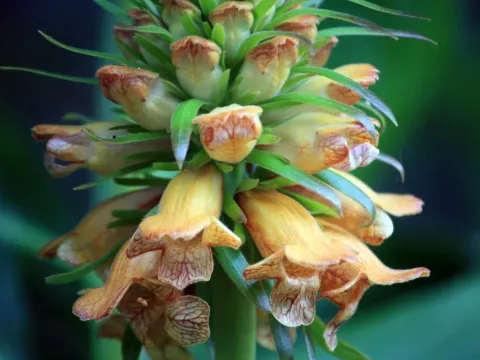
Madeira Foxglove
Digitalis sceptrum
Digitalis sceptrum, commonly known as Madeira Foxglove, is a distinct perennial plant species belonging to the Plantaginaceae family. Originally endemic to the Madeira archipelago, it requires specific environmental conditions to thrive in a cultivated agricultural setting.
What the section contains
Madeira Foxglove
The plant performs best in mild, maritime climates with high air humidity and consistent temperatures. It does not tolerate severe freezing conditions, making it suitable for cultivation in protected environments or temperate regions where winter temperatures remain moderate.
Regarding soil requirements, the culture demands well-draining, nutrient-rich substrates with a slightly acidic to neutral pH. Proper soil structure is essential, as waterlogging often leads to rapid deterioration of the root system and plant death.
Agricultural management should prioritize proper spacing to ensure adequate airflow, which is critical for reducing humidity-related stress. Regular application of organic fertilizers supports vigorous growth and the development of the characteristic long, spire-like inflorescences.
Digitalis sceptrum is increasingly recognized for its pharmacological potential and aesthetic value. Cultivators must ensure a stable moisture supply throughout the growing season, avoiding extreme drought periods that can trigger early senescence.
The primary threats to Madeira Foxglove are fungal pathogens, particularly powdery mildew and leaf spot diseases. These issues are most prevalent in damp, poorly ventilated areas where moisture accumulates on the foliage for extended periods.
Root rot, often caused by Pythium or Phytophthora species, is a major concern in heavy or poorly drained soils. Maintaining rigorous hygiene standards and using high-quality potting or field soil is essential to protect the crop from these soil-borne pathogens.
Insect pests, such as aphids and spider mites, are common vectors for viral infections and can significantly decrease the yield quality. Early detection and the implementation of an integrated pest management (IPM) strategy are recommended for effective control.
Slugs and snails can cause severe physical damage to young seedlings and emerging leaves. Protecting the base of the plants with physical barriers or organic bait can help mitigate these losses in humid outdoor settings.
Viruses represent a complex challenge, often showing symptoms of mottling or stunted growth. Since there is no curative treatment for plant viruses, strictly removing and destroying infected plants is the only way to safeguard the rest of the plantation.