
Marsh speedwell
Veronica scutellata
Description
Growing requirements
Marsh speedwell, scientifically known as Veronica scutellata, is a perennial herbaceous plant belonging to the Plantaginaceae family. It is distinctively adapted to wetland ecosystems, thriving in environments that most typical agricultural crops would find unsuitable.
The plant is native to the temperate regions of the Northern Hemisphere, spanning across Europe, Asia, and North America. It is typically found in marshes, fens, muddy shores, and water-logged drainage ditches.
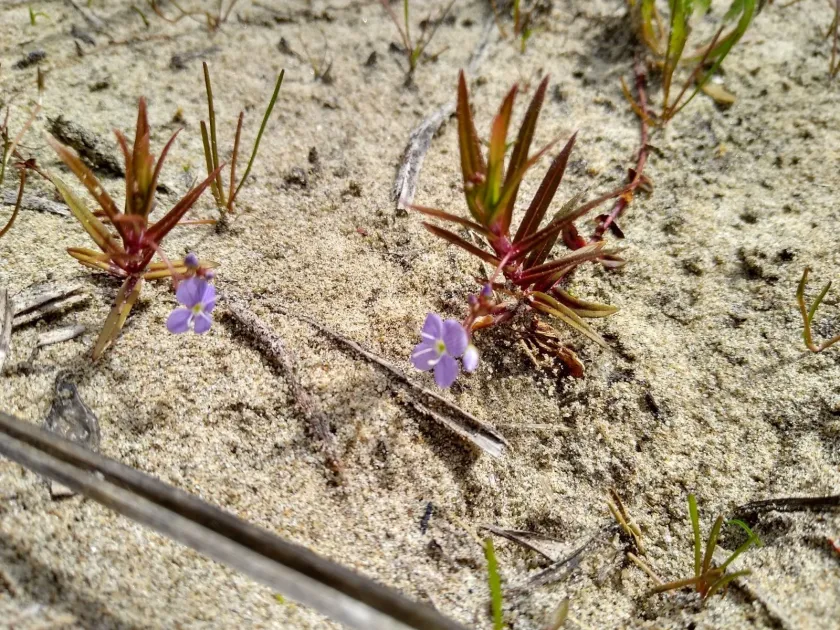
Botanically, it features slender, often trailing stems that can root at the nodes. The leaves are narrow and lanceolate, while the flowers, characterized by their pale pink or bluish petals with darker veins, are arranged in lax racemes.
Growth requirements are strictly centered around high moisture availability. It prefers acidic to neutral soils and requires constant hydration, making it an ecological specialist rather than a candidate for commercial cultivation.
From an agronomical perspective, the presence of Veronica scutellata is a strong biological indicator. In field management, its growth signals significant soil saturation, often indicating that the drainage systems in the area are insufficient for traditional crop production.
Main diseases and pests
Like many aquatic plants, marsh speedwell is susceptible to various fungal infections, particularly those that thrive in humid environments such as rusts and mildews, which can affect its vitality.
Herbivorous insects, including certain species of aphids and beetle larvae, may feed on the foliage. While these pests are natural components of the ecosystem, large outbreaks can temporarily stunt the plant's development.
The greatest threat to this species is not pests or diseases, but rather habitat alteration. The loss of wetlands, drainage of marshes, and lowering of the water table significantly limit the natural range of the plant.
In managed agricultural landscapes, the plant is often suppressed by mechanical cultivation and chemical control methods designed to eliminate moisture-loving weeds from drainage-heavy areas.
Environmental stability is the key factor for this species' survival. Pollution from agricultural runoff, including nitrogen and phosphorus overload, can lead to aggressive algal growth that outcompetes the marsh speedwell for sunlight and nutrients.