
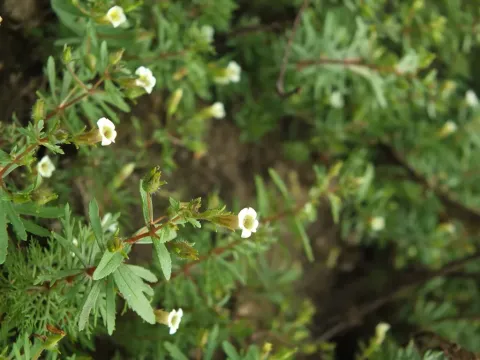
Limnophila
Limnophila R. Br.
Limnophila (Limnophila R. Br.) is a genus of perennial aquatic and wetland plants belonging to the Plantaginaceae family. Originally native to the tropical and subtropical regions of Asia, Africa, and Australia, these plants are well-adapted to swampy environments and shallow waters.
What the section contains

Limnophila
Botanically, Limnophila is distinguished by its feathery, whorled leaves, which provide a lush, delicate appearance. Depending on the species and environmental lighting, the foliage can transition between vivid shades of green and bronze, making it a highly valued specimen for biological displays.
For successful cultivation, Limnophila demands high-intensity lighting and a consistent temperature range of 22–28°C. Without adequate light, the plant's growth will become leggy, and its lower foliage will rapidly decompose, significantly reducing its aesthetic and physiological health.
The substrate must be nutrient-rich, as Limnophila relies on a robust root system to acquire essential macro-nutrients. Supplemental CO2 injection and regular application of liquid fertilizers enriched with iron and potassium are necessary to maintain vigorous growth and vibrant coloration.
Commercially, Limnophila is primarily utilized in the aquarium hobby and the restoration of artificial wetlands. Its rapid growth rate and ability to act as a natural nutrient sink make it an effective tool for maintaining water clarity and providing shelter for aquatic fauna.
A primary threat to Limnophila is the proliferation of epiphytic algae on its delicate leaves, which restricts sunlight absorption. This condition usually arises from an imbalance in water chemistry or excessive light duration without adequate nutrient control.
Improper water parameters, specifically high hardness levels, can lead to tissue chlorosis and necrosis. The plant is sensitive to chemical fluctuations, which often manifest as stunted growth or the sudden shedding of leaves.
Inadequate light exposure often leads to etiolation, where the plant grows overly tall and sparse. Correcting this requires strategic pruning of the apical meristems, which stimulates lateral branching and promotes a denser growth habit.
Pests, particularly certain species of snails or crustaceans, may graze on the soft tissues of the leaves. Maintaining a balanced ecological environment is essential to prevent significant damage to the plant population.
Anaerobic conditions in the substrate can cause root rot, especially in poorly circulated systems. Ensuring proper aeration and preventing the buildup of organic waste are critical cultural practices to avoid plant decay and crop loss.