
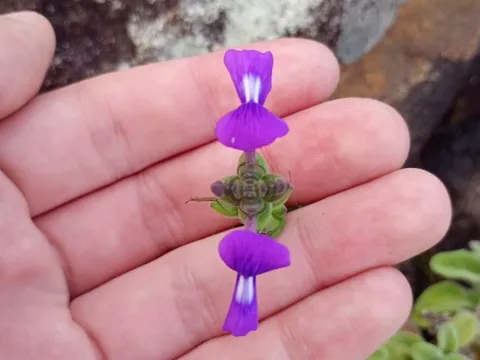
Matourea
Matourea
The sowing of Matourea requires careful attention to thermal conditions, as the seeds are highly sensitive to soil temperature fluctuations during germination.
What the section contains


Matourea
Ideal sowing typically occurs in controlled indoor environments or greenhouses where temperatures can be maintained consistently between 22 and 24 degrees Celsius.
Seeds should be sown in a sterile, well-draining substrate to prevent pre-emergence damping-off, which is a common issue in many Plantaginaceae species.
Surface sowing or very shallow placement is recommended to ensure that light reaches the seeds, which can be beneficial for uniform germination rates.
Maintaining high humidity around the seed tray is essential, often achieved by covering the containers with clear plastic until the seedlings emerge.
Matourea belongs to the family Plantaginaceae and typically thrives in tropical environments characterized by high humidity and moderate to high temperatures.
Soil requirements involve a rich, slightly acidic to neutral medium that offers excellent drainage to prevent root hypoxia, which the plant is sensitive to.
Optimal growth is observed in locations with bright, filtered sunlight; excessive direct heat can cause leaf scorch and dehydration of the delicate tissues.
Consistent watering is necessary to keep the root ball moist, as the plant does not tolerate prolonged dry spells in the growing medium.
Regular fertilization with a balanced, water-soluble nutrient solution helps support vigorous vegetative growth throughout the peak season.
The crop is susceptible to common greenhouse pests such as aphids, spider mites, and whiteflies, which can impact the overall health and vigor of the plants.
Fungal pathogens causing root rot can become a major threat if soil drainage is inadequate or if ambient ventilation is insufficient in the cultivation area.
Preventative measures include regular scouting of the foliage for early signs of infestation and maintaining proper spacing between plants for airflow.
Powdery mildew may develop if there is a significant discrepancy between day and night temperatures, leading to surface condensation on the leaves.
Integrated pest management strategies, focusing on biological controls and minimal chemical interference, are preferred for maintaining plant quality.