
Mariana foxglove
Digitalis mariana
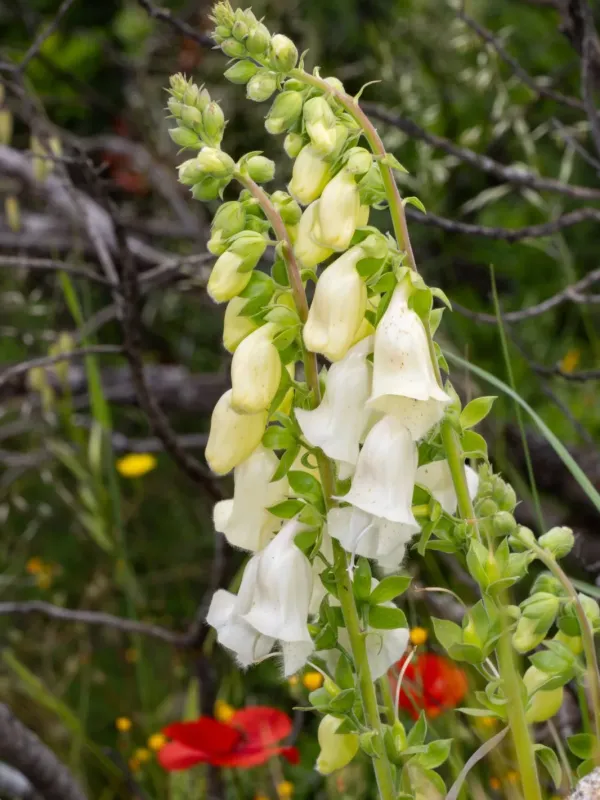
Description
Growing requirements
Mariana foxglove (Digitalis mariana) is a herbaceous perennial plant belonging to the Plantaginaceae family. It is native to the rocky and mountainous terrains of the Iberian Peninsula, specifically in southern Spain.
The plant thrives in temperate climates, preferring cool, mountain-influenced environments. It is characterized by a basal rosette of leaves and an impressive inflorescence that develops during the growing season.
For optimal growth, the species requires well-drained, fertile soil with a slightly acidic to neutral pH. Excessive moisture around the root neck must be avoided, especially during the dormant season to prevent rot.
Cultural management includes providing partial shade in hotter climates to prevent leaf burn. Adequate spacing between plants ensures proper airflow, which is essential for healthy development.
Regular fertilization with balanced nutrients is recommended during the vegetative stage. This supports the plant's ability to produce robust flower spikes and high-quality secondary metabolites of medicinal interest.
Main diseases and pests
Common diseases affecting Mariana foxglove include powdery mildew and leaf spot caused by fungal pathogens. These are particularly prevalent in areas with high humidity and stagnant air circulation.
Pests such as aphids and spider mites can infest the foliage, leading to stunted growth and reduced vigor. Monitoring is necessary to prevent significant damage to the plant's physiological processes.
Root rot is the most serious threat, usually resulting from poor drainage or overwatering. Maintaining soil structure and avoiding deep planting are critical preventative measures for the cultivator.
Weed control is essential during the early stages of establishment. Mechanical weeding is preferred to minimize the impact of competing flora on the nutrient supply of the crop.
Integrated pest management strategies should be employed to maintain crop health. This includes the use of certified seeds and biological controls to minimize the need for heavy chemical intervention.