
Nettle-leaved speedwell
Veronica urticifolia
Description
Sowing dates
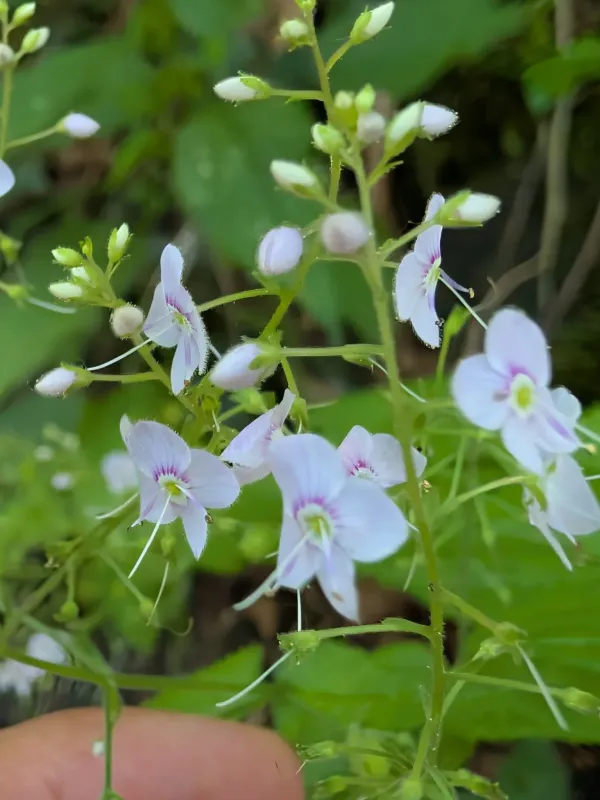
Nettle-leaved speedwell (Veronica urticifolia) is a perennial herbaceous plant belonging to the Plantaginaceae family. It is a native European species often utilized for its unique foliage and distinct floral spikes.
Propagation is typically achieved through seeds sown in late autumn or early spring. Seeds benefit significantly from a cold stratification period of several weeks, which mimics natural winter conditions to trigger germination.
When sowing, seeds should be surface-sown on moist, fine-textured soil. Because they are tiny, they do not require deep burial; a light covering of vermiculite or sand is sufficient to provide the necessary humidity.
Greenhouse cultivation allows for controlled development. Keeping temperatures steady between 18 and 20 degrees Celsius ensures reliable sprout emergence within two to three weeks under consistent moisture.
For established plants, division in early spring or autumn is a preferred method to multiply stocks. This practice maintains the health and vigor of the cultivar, preventing the center of the plant from becoming woody or bare.
Growing requirements
The plant thrives in nutrient-rich, humus-heavy soils that retain moisture but offer adequate drainage. It performs best in conditions that replicate forest edges, such as partial shade.
Climate preference leans toward cooler temperate zones. It is highly winter-hardy and does not require special winter protection in most temperate climates, making it a reliable perennial for borders.
Irrigation is crucial during dry spells. Although it is relatively resilient, continuous soil moisture is necessary to support its lush, nettle-like foliage and to maximize the density of its flowers.
Soil acidity should be kept in the neutral range. Organic matter, such as leaf mold or well-rotted compost, should be incorporated into the top layer of soil annually to maintain fertility levels.
Maintenance tasks include cutting back faded flower spikes to encourage a tidier appearance. This may also trigger a slight secondary bloom in favorable late-summer conditions, extending the aesthetic value.
Main diseases and pests
Powdery mildew is a significant threat, especially in humid environments with poor air circulation. To prevent this, spacing plants adequately is a vital preventive measure during the planting phase.
Leaf spot fungi can compromise the aesthetic quality of the foliage. If symptoms appear, removing infected leaves and applying a broad-spectrum fungicide can stop the progression of the disease.
Aphids are frequent visitors to the soft, developing tips of the plant. Regular monitoring is essential; if populations surge, insecticidal soaps or systemic treatments provide effective control.
Root rot is almost exclusively associated with waterlogged soil. Ensuring a gritty or well-structured growing medium is the most important defense against this physiological issue.
Invasive weeds can compete for nutrients and light. Mulching around the base of the plant with wood chips or organic material serves the dual purpose of moisture retention and suppressing unwanted weed growth.