
Ourisia
Ourisia hybrids
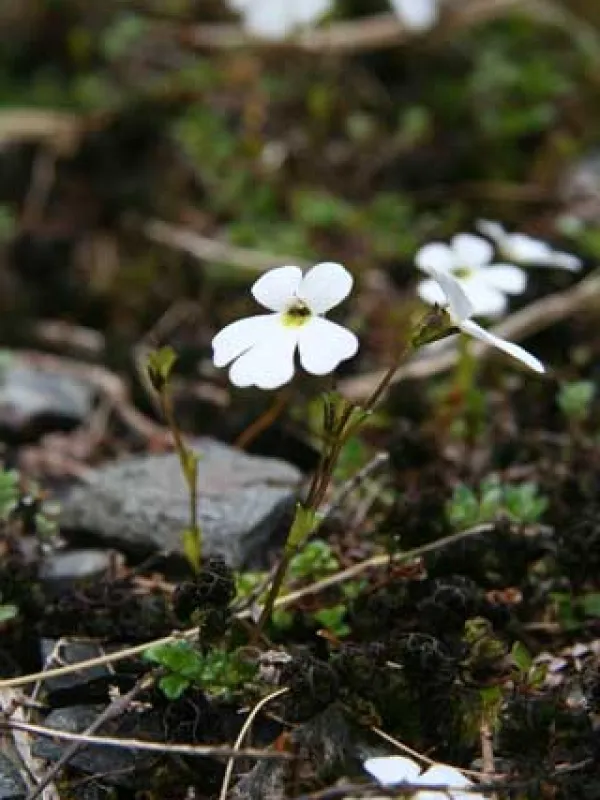
Description
Sowing dates
Propagating Ourisia from seed requires a period of cold stratification to break dormancy effectively. Seeds should be sown in late autumn or early winter in containers kept in a cold frame or unheated greenhouse, simulating the natural winter cycle necessary for successful germination.
Vegetative propagation via division is often more reliable and faster for gardeners. The best time to divide the clumps is in early spring or early autumn, ensuring that each division has a healthy root system and several vigorous leaf rosettes to ensure quick establishment.
The sowing substrate must be very well-draining, as the seedlings are highly susceptible to damping-off if conditions are too soggy. A mixture of loam, grit, and fine bark is often recommended to provide the necessary aeration and moisture retention.
Once seedlings emerge, they should be kept in a cool, bright position away from direct sunlight. Pricking out should be done carefully as soon as the first true leaves appear, minimizing damage to the delicate root structures that are characteristic of this genus.
Transplanting to the permanent garden site should occur only after the danger of frost has passed. Plants should be spaced adequately to ensure good airflow, which is critical for preventing the fungal issues that can plague these plants in sheltered spots.
Growing requirements
Ourisia belongs to the Plantaginaceae family and is native to alpine and subalpine environments in New Zealand and South America. These plants are best suited for cool, temperate climates and struggle in regions with high summer heat and humidity.
They thrive in moist, humus-rich soils that possess excellent drainage qualities. They do not tolerate prolonged waterlogging at the root zone, which can lead to rapid decay; therefore, incorporating gravel or coarse sand into the soil profile is essential for success.
Partial shade is the ideal location for most Ourisia species, as they are protected from the intense sun. In their natural habitat, they often grow in rock crevices or damp mossy banks, so mimicking these conditions in the garden is beneficial for long-term health.
Mulching the surrounding soil with horticultural grit or fine pebbles helps maintain stable soil moisture and temperature. This practice also prevents the lower leaves from coming into direct contact with wet soil, reducing the risk of bacterial and fungal infections.
Regular watering is essential, especially during dry spells, but it must be applied with caution. The soil should remain consistently moist but never waterlogged. Supplemental feeding should be minimal, using a balanced fertilizer intended for alpine flora to avoid lush, weak growth.
Main diseases and pests
Root rot is the most significant threat to Ourisia, triggered primarily by poorly drained soil or excessive irrigation during the dormant season. Improving soil structure and ensuring consistent but light watering are the best preventative measures for managing this risk.
Slugs and snails are major pests that can devour the fleshy leaves of the plants, particularly during the humid spring months. Physical barriers, such as copper tape or crushed grit around the plants, are effective ways to protect young foliage from these mollusks.
Aphids can occasionally infest the flower stalks during periods of drought-induced stress. While rarely fatal, they can weaken the plant and serve as vectors for viral diseases, so early identification and manual removal are recommended for effective control.
Powdery mildew may occur when humidity is high and there is poor ventilation between plants. Ensuring that the planting site has good air circulation is the most effective way to avoid this unsightly fungal issue and maintain plant vigor throughout the season.
Nematodes are another potential threat, which can cause stunted growth and yellowing of the foliage. Avoiding overly compacted soils and using disease-free compost at the time of planting significantly reduces the risk of these microscopic soil pests.