
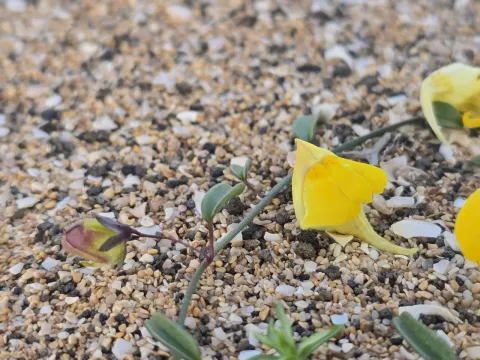
Nanorrhinum
Nanorrhinum
Nanorrhinum is a genus of herbaceous plants belonging to the family Plantaginaceae. Formerly categorized within the genus Linaria, these species are now recognized as a distinct taxonomic group based on modern molecular research and morphological analysis.
What the section contains

Nanorrhinum
The native distribution of these plants covers arid and semi-arid landscapes across the Mediterranean basin, the Middle East, and parts of Central Asia. Their biology is deeply ingrained with survival strategies suited for environments with high evapotranspiration rates.
Regarding soil requirements, Nanorrhinum thrives in well-drained, porous environments. Sandy or gravel-rich soils are ideal, as they prevent the water stagnation that can lead to rapid fungal decay in the root tissues during cooler, damper months.
The species requires high solar radiation to complete its phenological cycles. Shade-avoidance is a primary trait, and any significant blockage of direct sunlight leads to etiolation and a marked decrease in reproductive success.
From an agricultural standpoint, the cultivation of this genus is focused on its ability to utilize minimal water inputs. Standard agronomic practices emphasize site selection in open fields where natural soil drainage is sufficient to keep the rhizosphere oxygenated throughout the growing period.