
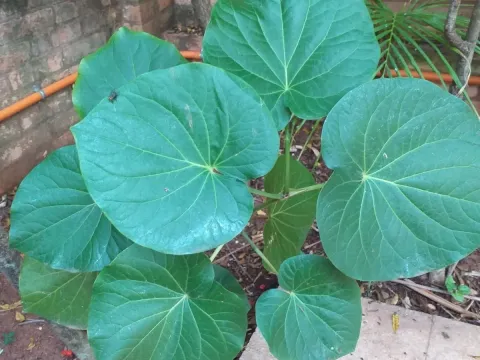
Piper regnellii
Piper regnellii
Piper regnellii is a perennial plant belonging to the Piperaceae family. Native to South America, particularly regions of Brazil, it thrives in dense, humid tropical forest environments under the canopy layer.
What the section contains
Piper regnellii
The cultivation of this species requires a stable temperature range between 20 and 28 degrees Celsius. Being a shade-loving plant, it must be protected from direct sunlight, which can quickly dehydrate the leaves and cause physiological damage.
Soil requirements involve a well-draining, humus-rich medium with a slightly acidic to neutral pH level. Proper drainage is essential to prevent waterlogging, as the root system is highly sensitive to hypoxia caused by excess moisture.
Agronomic practices focus on maintaining high atmospheric humidity and consistent irrigation. Regular pruning and maintenance of the growing environment help in achieving optimal vegetative growth and concentration of secondary metabolites.
The primary economic value of Piper regnellii lies in its pharmaceutical potential. It is rich in lignans and essential oils, which are subjects of intensive scientific research for their therapeutic applications in human medicine.
The plant is susceptible to various fungal pathogens when humidity control is neglected. Root rot is the most significant threat, often exacerbated by poor air circulation and water-soaked soil conditions.
Pest management should focus on common greenhouse intruders such as spider mites and mealybugs. These pests can rapidly infest the foliage, requiring integrated pest management strategies to protect the crop yield and health.