
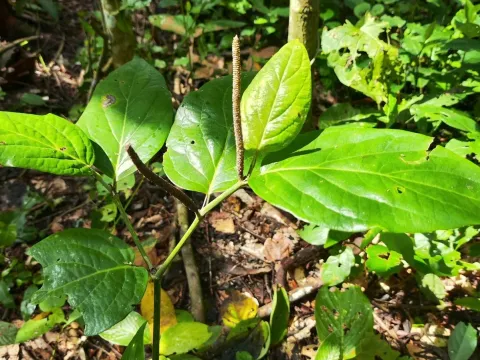
Piper tuberculatum
Piper tuberculatum
Piper tuberculatum is a distinct species belonging to the Piperaceae family, native to the tropical forests of Central and South America. This shrub-like plant is known for its unique botanical structure and high adaptability to specific tropical conditions.
What the section contains
Piper tuberculatum
Cultivation requires a stable, warm environment where temperatures remain consistently between 22 and 28 degrees Celsius. The species is highly sensitive to cold drafts and frost, necessitating indoor or greenhouse production in temperate zones.
The soil must be well-draining, rich in organic matter, and slightly acidic to neutral. Ensuring the substrate does not become waterlogged is crucial, as the root system is prone to hypoxia when exposed to excess moisture for prolonged periods.
Providing bright, indirect sunlight is essential for optimal photosynthesis. In indoor cultivation, supplemental lighting may be required during shorter days to maintain plant health and encourage vegetative development.
Routine horticultural practices include frequent misting to maintain high relative humidity and regular fertilization with a balanced mix to support the rapid growth of stems and foliage characteristic of the species.
The primary pests affecting Piper tuberculatum are spider mites and whiteflies, which thrive in the warm, stagnant air conditions often found in improperly ventilated greenhouses.
Fungal pathogens represent a significant threat to the crop, particularly root rot, which is frequently exacerbated by overwatering or the use of contaminated potting media.
Powdery mildew can cause significant damage to the leaves during periods of fluctuating humidity, reducing the ornamental and functional value of the plant.
Integrated pest management strategies, focusing on biological controls and environmental optimization, are recommended to minimize the reliance on harsh chemical interventions.
Strict hygiene protocols, such as cleaning tools and sanitizing growing areas, are essential to prevent the spread of diseases within the cultivation site.