
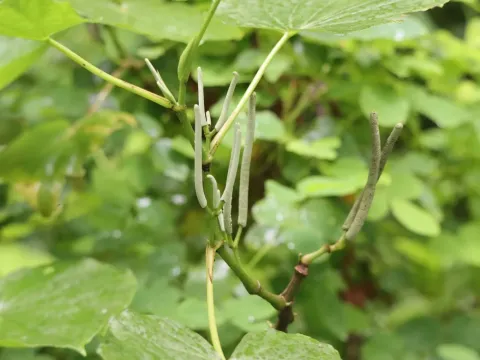
Piper postelsianum
Piper postelsianum
Piper postelsianum is a significant member of the Piperaceae family, which consists of tropical climbing plants and shrubs. This species is native to tropical environments where high humidity and stable temperatures prevail throughout the year, shaping its growth habits.
What the section contains
Piper postelsianum
Cultivation of this species requires a warm environment with an optimal temperature range of 22°C to 28°C. Being a tropical plant, it cannot tolerate frost or temperatures below 15°C, making it suitable mainly for greenhouse production in temperate regions.
The ideal soil for Piper postelsianum is rich in organic matter, loose, and well-drained. It thrives in soils with a slightly acidic to neutral pH level. Proper soil aeration is crucial to prevent root rot and encourage the development of a healthy and extensive root system.
Light requirements involve providing bright, indirect light. Intense midday sun can cause leaf scorching, so protective screening is recommended if the plant is exposed to high light intensity. It adapts well to shaded or semi-shaded environments, mimicking its natural habitat.
Water management is critical for this crop. It requires consistent moisture in the root zone, but it is highly sensitive to waterlogging. Implementing a systematic irrigation schedule combined with a high-quality drainage layer in the substrate is essential for healthy plant development.
Root pathogens are the primary threat to the health of Piper postelsianum. Excessive moisture in the growing medium often leads to fungal infections like pythium or phytophthora, which compromise the plant's ability to absorb water and nutrients from the soil.
Spider mites represent the most common pest challenge, especially in low-humidity conditions. These small pests cluster on the undersides of leaves, causing yellowing and webbing, which can eventually lead to leaf drop if not managed correctly with appropriate interventions.
Mealybugs are another persistent threat that tends to thrive in warm, stagnant air conditions within greenhouses. They suck sap from the plant's tender tissues, weakening the growth and potentially facilitating the spread of sooty mold on the leaves.
Integrated pest management (IPM) is the best strategy for maintaining plant health. This includes regular scouting for symptoms of infestation, maintaining proper air circulation to deter insects, and utilizing biological controls or organic soaps to treat early outbreaks.
To ensure high productivity, farmers should prioritize preventive measures such as sterilizing tools and maintaining clean growing areas. Monitoring leaf color and stem integrity on a weekly basis is an essential part of the professional care required for this crop.