
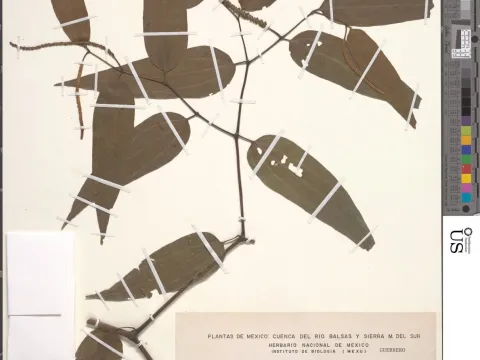
Piper unguiculatum
Piper unguiculatum
Piper unguiculatum is a perennial species belonging to the Piperaceae family, indigenous to the tropical rainforests of Central and South America. As an understory plant, it exhibits specific adaptations to shaded and high-humidity environments.
What the section contains
Piper unguiculatum
The cultivation of this species requires a well-draining, nutrient-rich soil medium that mimics tropical forest floor conditions. A mix containing organic matter such as peat or coconut coir is ideal to maintain both moisture retention and aeration for the roots.
Regarding climate, Piper unguiculatum thrives in temperatures ranging between 20°C and 28°C. It is highly sensitive to cold drafts and temperatures dropping below 15°C, which can cause significant physiological stress to the foliage.
Botanical features include distinct, often heart-shaped leaves and a climbing growth habit. Providing a moss pole or trellis is recommended for optimal development, as it allows the plant to anchor its adventitious roots efficiently.
Agrotechnical maintenance focuses on consistent hydration and preventing waterlogged conditions. Regular misting of the foliage helps simulate the natural tropical environment, promoting healthy leaf expansion and vibrant coloration.
Root rot, primarily caused by Phytophthora and Pythium species, remains the most significant threat to Piper unguiculatum, particularly in environments with poor drainage and excessive moisture.
Spider mites are common pests that thrive in indoor environments with low humidity. These pests can rapidly infest the plant, leading to stippling and eventual leaf drop if not managed through increased humidity or miticide application.
Mealybugs and scale insects represent another common challenge. They tend to congregate in leaf axils, making mechanical removal or the use of systemic insecticides necessary for effective control.
Bacterial leaf spot may occur if air circulation is insufficient or if water remains on the leaves for extended periods. Pruning affected areas and improving ventilation are key strategies for disease containment.
Nutrient deficiencies, particularly nitrogen or magnesium, often manifest as yellowing of older leaves. Maintaining a regular, balanced fertilization schedule during the active growth phase is essential for plant vigor.