
Piper marginatum
Piper marginatum
Piper marginatum, commonly known in its native regions, belongs to the Piperaceae family. It is a robust perennial shrub native to the tropical areas of Central and South America. The plant is primarily found in the understory of dense forests, where it thrives in humid and shaded environments.
What the section contains
Piper marginatum
The cultivation of this species requires a tropical climate with consistent temperatures. It does not tolerate frost and prefers areas protected from direct, harsh sunlight, which can easily scorch its large, heart-shaped leaves. Maintaining high air humidity is essential for optimal leaf growth.
Soil requirements involve a rich, organic-based substrate that provides excellent drainage. Because the plant is native to riverine and forest habitats, it prefers slightly acidic to neutral soils that retain moisture without becoming waterlogged, as poor drainage is a significant risk to its root system.
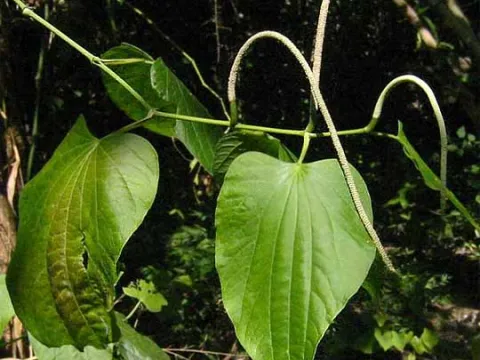
Botanically, the plant is characterized by its distinct, marginated leaves, which gives it a unique aesthetic appeal. It produces small, catkin-like inflorescences typical of the genus Piper. Its rapid vegetative growth makes it a significant component of local ecosystems and a subject of ethnobotanical study.
In terms of usage, the plant is valued for its aromatic essential oils, which are utilized in traditional medicine for their anti-inflammatory and antiseptic properties. While not a major food crop, it remains a valuable resource for natural product development and pharmaceutical research.
The primary threats to Piper marginatum include soil-borne pathogens such as Phytophthora and various root rot fungi. These thrive in conditions of excessive soil moisture and poor aeration, often leading to rapid plant decline and death if not managed with proper drainage.
Insect pests such as spider mites and aphids are major challenges in both greenhouse and outdoor cultivation. These pests feed on the nutrient-rich sap of young shoots, causing leaf yellowing, necrosis, and general stunted growth of the plant if left uncontrolled.
Fungal diseases like anthracnose can also impact leaf health, showing up as dark lesions on the foliage. This condition is typically exacerbated by poor ventilation and high humidity, necessitating proper spacing between plants to facilitate air movement throughout the crop canopy.
Nematodes represent a hidden threat to the root health of the plant. Infestation results in reduced uptake of water and nutrients, causing the plant to show signs of drought stress even when watered adequately. Soil solarization or the use of organic amendments can help mitigate this problem.
Integrated Pest Management (IPM) is the recommended approach for maintaining healthy crops of Piper marginatum. This includes consistent monitoring, the use of biological control agents, and ensuring that environmental conditions are optimized to prevent stress-induced susceptibility to diseases.