
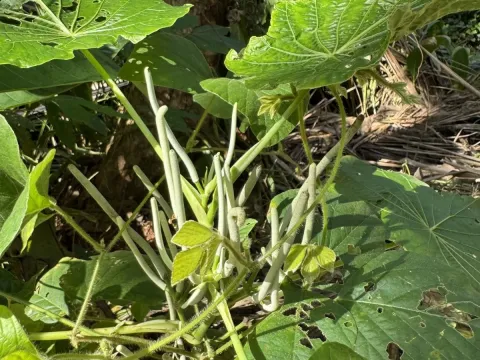
Piper peltatum
Piper peltatum
Piper peltatum is propagated primarily through seeds or stem cuttings. In commercial settings, seed sowing requires specific temperature and humidity controls, as the germination process is highly sensitive to environmental fluctuations.
What the section contains
Piper peltatum
Seeds should be sown in a loose, well-draining growing medium enriched with organic matter. Proper depth is critical, with seeds placed shallowly to ensure consistent moisture levels and access to necessary warmth for activation.
For vegetative propagation, semi-hardwood cuttings are preferred. These are typically rooted in a sand and peat substrate under a humidified greenhouse environment to stimulate rapid root development within a few weeks.
Acclimatization of young plants is a vital step before transferring them to standard growing conditions. Gradual exposure to lower humidity levels helps prevent shock and ensures higher survival rates for the seedlings.
Spacing recommendations depend on the intended production scale, though keeping sufficient distance between plants is essential to promote better air circulation and prevent the development of localized fungal issues.
Belonging to the Piperaceae family, Piper peltatum thrives in warm, humid conditions consistent with its native tropical regions of Central and South America. Providing an environment that mimics its natural habitat is the key to success.
Ideal temperatures range between 22°C and 28°C. The plant exhibits significant growth retardation if temperatures drop consistently below 15°C, and it is highly susceptible to frost damage, which can be fatal.
Soil requirements include high organic content, excellent drainage, and a slightly acidic to neutral pH level. Maintaining stable soil moisture is critical; therefore, effective drainage systems are necessary to prevent waterlogging.
Regarding lighting, the plant prefers dappled light or partial shade. Excessive direct sunlight can cause rapid leaf scorch, significantly reducing the quality and marketable value of the foliage.
Fertilization should be handled with care during the active growing season. Nitrogen-rich organic fertilizers are typically recommended to support the development of the plant's broad leaves and robust root system.
Pathogen control is a major challenge, with root rot and various leaf spot diseases posing the greatest risk. These usually emerge as a result of poor ventilation and excessive moisture in the root zone.
Pests such as spider mites and mealybugs can rapidly colonize plants in low-humidity environments. Regular inspection and the use of natural predators are often effective in managing these pest populations.
Sanitation practices are indispensable. Removing fallen debris, disinfecting tools, and ensuring that water does not pool on leaves are simple yet effective measures to reduce the occurrence of infections.
When chemical intervention is required, it must be performed with caution. Given the plant's medicinal use, preference is given to environmentally safe or biological control methods to protect the integrity of the product.
Continuous monitoring of the crop is highly advised. Early detection of symptoms allows for localized management, preventing the need for extensive measures across the entire plantation area.
Harvesting strategies are centered on maximizing the yield of foliage and roots, which serve as the primary sources of beneficial compounds. The timing of the harvest is usually linked to the plant's maturity phase.
Leaf harvesting is typically conducted by hand, selecting only fully developed leaves. This selective approach preserves the plant's vitality, allowing it to continue growing and potentially providing multiple yields over time.
Post-harvest processing involves air-drying the collected material in shaded, well-ventilated areas. Controlled drying temperatures, ideally not exceeding 40°C, are crucial for retaining the essential oils and active ingredients.
Root harvesting is performed at the end of the crop cycle. Once extracted, the roots are cleaned of soil, thoroughly washed, and prepared for processing or immediate drying to prevent degradation.
Final storage requires moisture-proof and light-resistant packaging. Maintaining these conditions ensures the longevity of the product’s therapeutic and chemical properties until it reaches the end user.