
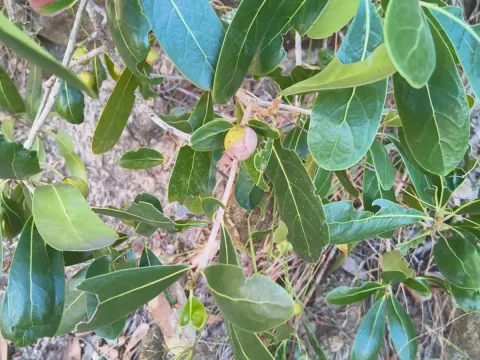
Uapaca
Uapaca Baill.
Propagation of Uapaca is primarily carried out via seeds, as vegetative propagation is complicated by the genus's biological characteristics. Seeds should be sown into a prepared substrate immediately after extraction from ripe fruits, as they quickly lose viability.
What the section contains

Uapaca
Germination requires a stable, warm environment with temperatures around 25-28 degrees Celsius. It is essential to maintain constant soil moisture while avoiding waterlogging, which can cause the embryo to rot.
Seedlings are pricked out at the two-leaf stage. Transplanting to the permanent site in the open field is performed once saplings reach 30-40 centimeters in height, typically at the beginning of the rainy season to ensure better establishment.
In commercial nurseries, preliminary seed stratification is often practiced to increase the yield of healthy planting material. Using container-based growing methods during initial stages allows for better control over the substrate composition.
Planting density depends on the specific Uapaca species, but a standard scheme involves a distance of at least 6-8 meters between trees. This ensures sufficient nutrient access and canopy light exposure for normal development.
Uapaca is a typical tropical flora representative that thrives best in hot and humid climates. The crop prefers areas with sufficient sunlight, although young trees can tolerate partial shading.
The plant has moderate soil requirements, preferring deep, well-drained loams with acidic or neutral pH levels. High humus content in the soil horizon is a crucial factor that supports the active growth of the culture.
Trees possess some resistance to temporary drought, due to their natural habitat in African savannas and woodlands. However, regular irrigation during flowering and fruit setting is necessary to ensure a stable harvest.
Optimal cultivation altitudes range from 500 to 1500 meters above sea level. In these conditions, the plant is better protected from extreme temperature fluctuations, which positively impacts fruit quality.
Cultivation practices include mandatory mulching of the tree circles with organic residues. This not only conserves soil moisture but also helps suppress weeds that compete with Uapaca for nutrients.
The yield of Uapaca is an important economic indicator, particularly for local farming communities in tropical African countries. A mature tree in its peak fruiting period can produce several dozen kilograms of fruit annually.
Fruit weight in the most common species, such as Uapaca kirkiana, varies from 20 to 50 grams. The fruits possess a characteristic yellowish-brown skin and juicy flesh that is highly nutritious.
The fruiting season usually coincides with the end of the rainy season, making the harvest an important source of income and food for rural communities. Harvest quality is directly dependent on rainfall intensity in the previous growing season.
To increase yields, sanitary pruning of the canopy is recommended, removing dry and damaged branches. This promotes better airflow and redirects nutrients toward the fruit, improving its organoleptic properties.
After harvesting, fruits require gentle handling as they have thin skins and are prone to mechanical damage. Storing the crop in a cool place helps extend its shelf life for market sales.
Typical diseases for this genus include fungal infections of leaves and shoots that develop in high humidity. Prevention consists of ensuring high-quality drainage and sufficient air circulation between the trees.
Pests affecting Uapaca include various fruit fly species, which can significantly reduce produce quality. The use of pheromone traps is recommended for monitoring and controlling insect populations.
Leaf-eating insects, such as certain caterpillar species, can damage young saplings in nurseries. In such cases, the application of biological agents is justified, as they effectively suppress pests without harming the environment.
Root rots can become a threat when grown on heavy, waterlogged soils. The main control strategy involves selecting sites with a natural slope that prevents rainwater from stagnating at the plant's root collar.
Fruit anthracnose is a specific disease manifesting as dark spots on the surface. Its development is triggered by sudden temperature changes and high humidity, making timely sanitary orchard cleaning a key protection method.
Uapaca harvesting is performed exclusively by hand due to the fragile structure of the fruit. They are picked as they ripen, guided by changes in skin color and a characteristic aroma indicating readiness for consumption.
For professional harvesting, fruit pickers with soft grips are often used, minimizing damage during removal from upper canopy tiers. It is important to avoid letting fruit fall to the ground, as this leads to rapid spoilage.
The harvested produce is sorted by size and maturity at the site. Defective fruits showing signs of damage or deformation are discarded to prevent the contamination of healthy crop portions.
In regions where Uapaca is of industrial importance, drying or processing fruits into jams and beverages is practiced. This allows for the effective use of harvest surpluses and increases the shelf life of the final product.
Transporting fruits must be done in well-ventilated crates that protect against crushing. Adhering to these protocols allows produce to reach points of sale in the freshest state, preserving all valuable micronutrients.