
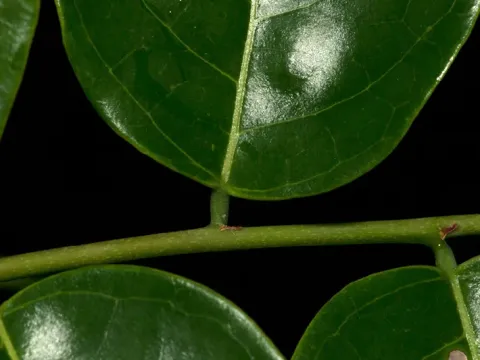
Phyllanthus polyanthus
Phyllanthus polyanthus
Phyllanthus polyanthus is a perennial tropical plant belonging to the Phyllanthaceae family. Known for its distinct botanical structure, it typically grows in humid tropical forest environments, where it adapts to light shade and high-moisture soil conditions to maintain its vigorous growth rate.
What the section contains
Phyllanthus polyanthus
Climate requirements for this crop are strictly tropical, necessitating year-round warmth without the risk of frost. The ideal temperature range for maintaining optimal physiological processes is between 22°C and 30°C, as the plant is sensitive to thermal stress and sudden changes in humidity levels.
Soil quality is paramount for successful cultivation. Phyllanthus polyanthus thrives in fertile, well-drained loamy soils that provide both nutrient availability and oxygen circulation to the root zone. Ensuring the soil pH remains in the slightly acidic to neutral range is essential for nutrient uptake.
The agronomic management of this species involves maintaining consistent soil moisture through controlled irrigation methods. Furthermore, regular application of organic matter helps sustain soil fertility, promoting both vegetative development and the concentration of useful secondary metabolites within the plant tissues.
Regarding its utility, Phyllanthus polyanthus is increasingly recognized for its role in sustainable agricultural and pharmaceutical applications. Its potential as a source of bioactive compounds makes it a subject of interest for farmers and researchers looking to integrate niche, high-value medicinal crops into tropical farming systems.