
Phyllanthus pectinatus
Phyllanthus pectinatus
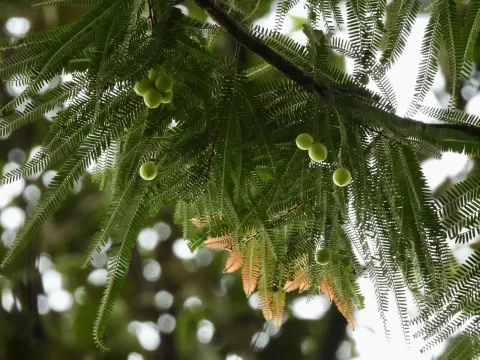
Phyllanthus pectinatus is a perennial shrub belonging to the Phyllanthaceae family. This species originates from the tropical regions of Southeast Asia, where it thrives in warm and humid environments typical of tropical forest understories.
What the section contains
Phyllanthus pectinatus
The plant requires a strictly tropical climate to prosper, as it lacks cold hardiness and is highly susceptible to thermal stress during temperature drops. Successful cultivation depends on maintaining consistent temperatures throughout the year.
Regarding soil requirements, the species performs best in well-drained, fertile loams with a slightly acidic to neutral pH level. Proper soil structure is essential to prevent root asphyxiation caused by excessive water retention in heavy, clay-rich soils.
Light intensity should be carefully managed; while the plant requires significant energy for growth, it is adapted to filtered sunlight conditions. Excessive direct solar radiation can damage foliage and hinder the metabolic pathways of the plant.
Effective agronomic management includes systematic fertilization with nitrogen-phosphorus-potassium blends and consistent irrigation practices. Mulching is often employed in commercial plots to retain moisture and prevent surface crusting of the soil.
The primary agricultural utility of Phyllanthus pectinatus lies in its ethnobotanical and medicinal applications. Leaves and roots are harvested for their therapeutic compounds, which include various phytochemicals used in traditional medicine systems.
Harvesting is typically timed with the peak of the rainy season when the plant reaches its maximum vegetative vigor. The harvested material must be dried using controlled temperatures to ensure the stability of the active pharmacological ingredients.
Pathogenic threats are primarily represented by fungal diseases such as leaf spot and mildew, which often develop in environments with poor air circulation. Implementing proper spacing between rows is a critical preventive measure to maintain hygiene.
Insect pests, including spider mites and scale insects, present a significant challenge by damaging the vascular tissues of the stems. Management strategies often involve the application of neem-based oils or other biorational pesticides to maintain organic standards.