
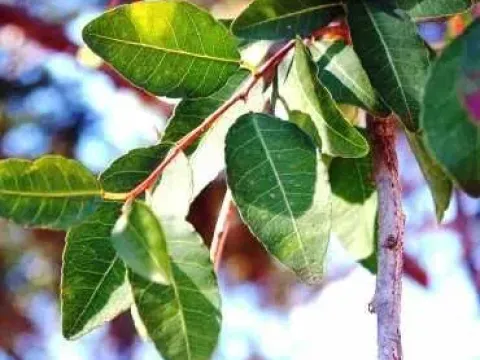
Phyllanthus ovalifolius
Phyllanthus ovalifolius
Phyllanthus ovalifolius is a perennial woody plant belonging to the Phyllanthaceae family. Originating from tropical regions, this species is noted for its oval-shaped leaves and specific secondary metabolites of pharmaceutical interest.
What the section contains
Phyllanthus ovalifolius
The plant thrives in tropical environments, requiring consistent warmth and a frost-free climate. Ideal growth occurs when temperatures are maintained between 24 and 30 degrees Celsius throughout the year.
Regarding soil requirements, this crop favors well-draining, nutrient-rich loams. Proper soil aeration is crucial to prevent root asphyxiation, which the species is particularly sensitive to in high-moisture conditions.
Water management is a central component of its agronomy. It requires regular irrigation to maintain soil moisture, but agricultural practitioners must ensure that the site does not experience waterlogging to protect the root health.
It prefers filtered light or light shade. Excessive UV exposure in open fields can damage foliage, so intercropping with taller species is often recommended to create a natural microclimate for the plants.
The primary pests affecting Phyllanthus ovalifolius include sap-sucking insects like aphids and whiteflies. These pests can significantly reduce plant vigor if left unmanaged during the peak growing season.
Fungal pathogens represent the most significant threat to harvest yields. Diseases such as leaf blight and root rot occur frequently when irrigation frequency is not balanced with soil drainage capacities.
Integrated pest management (IPM) is strongly advised. Utilizing natural predators and organic-certified pest control agents helps maintain the plant’s purity, especially when the species is grown for medicinal markets.
Maintaining proper spacing between individual shrubs promotes better airflow, which is a highly effective cultural practice for reducing the incidence of mildew and other fungal infections.
Regular sanitation, including the removal of dead or yellowing leaves, prevents the accumulation of inoculum that could otherwise lead to systemic infections across the crop area.