
Phyllanthus myrtifolius
Phyllanthus myrtifolius
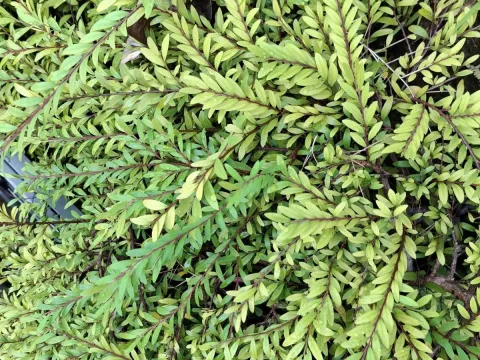
Phyllanthus myrtifolius is a perennial evergreen shrub belonging to the family Phyllanthaceae. It is native to the tropical regions of South Asia, specifically Sri Lanka, where it thrives in moist forest understories.
What the section contains
Phyllanthus myrtifolius
The plant is characterized by its small, myrtle-like leaves arranged on delicate, arching stems, making it an excellent candidate for aesthetic plant arrangements in greenhouse environments.
This crop requires a consistently warm environment, as it is highly sensitive to frost. The ideal temperature range for active growth is between 22°C and 28°C throughout the year.
Soil requirements involve a well-draining, nutrient-rich potting medium with a slightly acidic to neutral pH. Proper aeration is crucial to prevent the risk of root-zone hypoxia.
High humidity levels are essential for the health of Phyllanthus myrtifolius. In indoor settings, regular misting or the use of humidifiers is necessary to mimic its native tropical habitat.
The primary economic use of Phyllanthus myrtifolius is in the ornamental plant trade, specifically for landscaping in frost-free regions and interior design applications.
Because of its dense growth habit, it is frequently pruned into hedges or topiary specimens, showing high resilience to mechanical maintenance and shaping procedures.
As an ornamental, it provides structural diversity to botanical collections due to its fine-textured foliage and graceful growth pattern.
Commercial propagation is typically achieved through stem cuttings, which root effectively in a humid, sterile medium during the warmer months of the year.
Regular fertilization with balanced liquid nutrients during the growing season helps maintain the vibrant green coloration of the foliage and supports robust stem development.
Major pests affecting this crop include spider mites and scale insects, which proliferate rapidly in dry indoor air conditions and can cause significant leaf drop.
Fungal pathogens such as root rot are common in cases of waterlogged soil. Maintaining proper drainage and avoiding excessive watering are the primary preventative measures.