
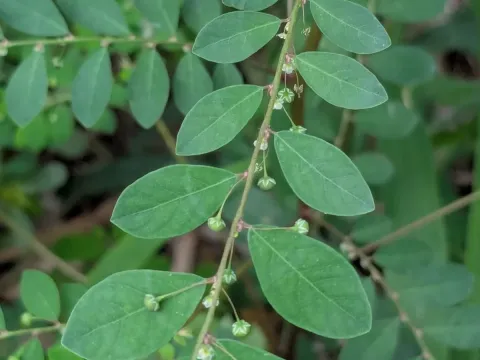
Phyllanthus nummulariaefolius
Phyllanthus nummulariaefolius
Propagation of Phyllanthus nummulariaefolius is primarily achieved through seeds or stem cuttings. Seeds should be sown in early spring into a light, well-draining potting medium to ensure proper germination conditions.
What the section contains
Phyllanthus nummulariaefolius
The seeds are small and should be placed on the surface or lightly covered with a thin layer of soil. Keeping the soil consistently moist but not waterlogged is crucial for successful seedling emergence.
Transplanting is usually carried out after the threat of frost has passed. Younger plants should be acclimatized gradually to outside conditions to prevent transplant shock.
Optimal spacing is required to allow for adequate airflow between plants, reducing the risk of fungal infections that often thrive in crowded conditions.
Using a seed starter tray with bottom heating can significantly increase germination rates if ambient temperatures are below the recommended threshold of 22 degrees Celsius.
Belonging to the Phyllanthaceae family, this species thrives in tropical environments and demands warm temperatures. It prefers areas with bright, indirect light, avoiding harsh midday sun.
Soil quality is paramount, requiring a porous mixture rich in organic matter. A slightly acidic to neutral pH level provides the most favorable environment for nutrient uptake.
Water management must be precise; while the plant enjoys high humidity, it is intolerant to boggy soils. Establishing a regular watering routine that allows the top layer of soil to dry slightly is recommended.
Fertilization with a balanced, liquid-form plant food during the growing season supports the development of lush, healthy foliage. Over-fertilization should be avoided to prevent burning the delicate roots.
Environmental control is essential if growing in temperate regions, where a greenhouse or conservatory can provide the stable warmth and humidity required for optimal plant health.
Spider mites are the most common pest, particularly when the indoor environment is dry. Frequent misting or using natural mite deterrents can help manage these populations effectively.
Root rot is a significant threat associated with overwatering or poor drainage. If signs of wilting appear despite moist soil, immediate root inspection and repotting in fresh substrate are necessary.
Aphids can sometimes infest the succulent parts of the plant. A gentle soap-based spray or horticultural oil can be used to treat early stages of infestation without damaging the plant tissues.
Powdery mildew can occur if air circulation is restricted. Pruning overcrowded branches can help prevent these fungal issues by promoting better airflow and light penetration.
Regular sanitation of the growing area, including the removal of dead leaves and debris, significantly reduces the likelihood of outbreaks of both pests and diseases.