
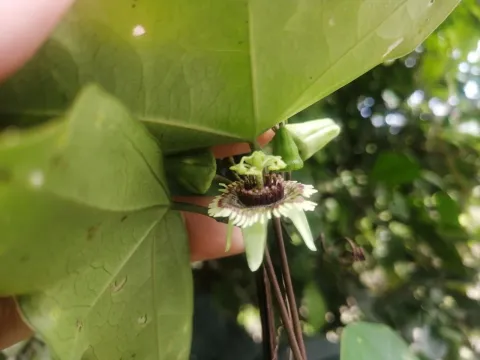
Bat-winged passion flower
Passiflora coriacea
Sowing seeds of the Bat-winged passion flower is best performed in early spring to take advantage of the increasing daylight. This timing ensures that seedlings have enough energy for a vigorous growing season.
What the section contains
Bat-winged passion flower
Seed coats are naturally thick, so scarification is necessary to improve water absorption. Rubbing the seeds lightly with sandpaper before soaking them in warm water for 24 hours significantly improves germination rates.
Use a sterile, well-draining seed-starting mix to prevent damping-off. Place the seeds about 0.5 cm deep and maintain a consistent soil temperature of 25–28°C using a heat mat if necessary.
The germination process can be slow and sporadic, taking anywhere from three to eight weeks. Keep the soil surface consistently moist during this period, but avoid turning the substrate into mud.
Once seedlings develop their first true leaves, carefully transplant them into individual pots. Gradual acclimation to lower humidity and cooler temperatures is essential to ensure they establish well in their new environment.
Passiflora coriacea, known as the Bat-winged passion flower, is a distinctive vine from the Passifloraceae family native to Central and South America. It is prized for its unique, bat-shaped foliage and subtle, greenish flowers.
This plant thrives in bright, indirect sunlight. While it appreciates warmth, it should be protected from harsh midday sun, which can scorch the distinctive leaves and cause premature wilting.
Soil requirements involve a rich, slightly acidic to neutral substrate that provides excellent drainage. Adding perlite or coarse sand to a standard peat-based potting mix is recommended to ensure roots remain healthy.
Humidity is a critical factor for successful cultivation. Regular misting or the use of a humidifier is advised, especially in indoor environments where heating systems significantly dry out the air.
Structural support is mandatory for this vine as it is a natural climber. Provide a trellis or stakes early in the plant's life to guide its growth. Periodic pruning helps keep the plant compact and encourages side branching.
Spider mites are the most common pest for the Bat-winged passion flower, particularly in dry indoor conditions. They feed on the underside of leaves, causing yellow stippling and eventual leaf drop.
Mealybugs and aphids can also infest the stems and growing tips. Regular washing of the foliage with a mild soap solution can help keep populations under control before they become a major infestation.
Root rot is the primary disease risk, usually stemming from overwatering or poorly draining soil. If the leaves start yellowing despite adequate care, check the root system for signs of fungal decay immediately.
Fungal leaf spots can occur if airflow is poor and humidity remains too high for extended periods. Ensure good spacing between plants and avoid wetting the foliage during late evening hours to mitigate this risk.
Monitoring the plant regularly is the best strategy against pests. Early detection of colonies allows for non-chemical interventions, such as physical removal or localized treatment, preserving the health of the entire vine.