
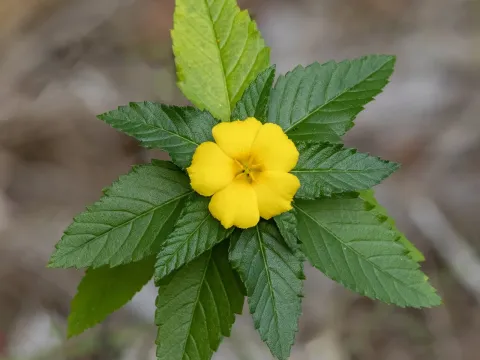
Damiana
Turnera
Damiana seeds are known for their relatively low germination rate, necessitating careful preparation such as stratification. Seeds should be sown in a light, well-draining potting mix, barely covering them with a thin layer of substrate.
What the section contains


Damiana
For optimal results, sowing should occur in early spring, allowing the plants to establish a strong root system during the longer daylight hours. Maintaining a soil temperature of approximately +22...+25 °C is crucial for successful emergence.
Consistency is key during the germination phase; the soil must remain moist but never waterlogged. Seedlings are highly susceptible to fungal damping-off, so proper air circulation is essential from the very beginning.
Once the plants develop two pairs of true leaves, they should be transplanted into individual pots. This practice prevents root overcrowding and promotes uniform growth across the nursery stock.
Since the plant is native to tropical and subtropical regions, in temperate zones, it must be grown in greenhouses or as a container plant, as it cannot withstand frost or cold temperatures.
Turnera diffusa, a member of the Turneraceae family, is a small shrub that thrives in bright, direct sunlight. High solar exposure is vital for the development of its secondary metabolites and essential oils.
The ideal growing medium is a porous, sandy, or loamy soil with a neutral to slightly acidic pH. Excellent drainage is non-negotiable, as the roots are sensitive to anaerobic conditions caused by standing water.
Temperature management should mimic its native habitat, requiring warm, stable conditions. The plant is not frost-tolerant and will suffer significant damage if temperatures drop below +10 °C.
Watering should be deep but infrequent, allowing the top layer of soil to dry out between applications. Overwatering is the most common cause of failure when cultivating this species.
Nutrient requirements are modest; a balanced, diluted fertilizer applied during the active growth season is sufficient to maintain plant health without inducing excessive, weak vegetative growth.
Yield is measured by the harvest of leaves and young stems, which are the primary parts of the plant used for commercial and medicinal purposes. Regular pruning significantly improves overall leaf production.
Productivity increases as the plant matures, with established shrubs aged two years or older providing the best harvest. Frequent selective harvesting encourages the plant to bush out and produce more biomass.
Factors influencing yield include light intensity and moisture regulation. Plants grown in optimal sun exposure produce significantly higher concentrations of active compounds per gram of dried leaf.
The herb is widely used in infusions, herbal teas, and botanical extracts. Consistent production standards ensure that the market receives high-quality material for manufacturing various wellness products.
With proper management, a single healthy shrub can provide several harvests per growing season, ensuring a continuous supply of raw material for extraction purposes.
Spider mites are the most persistent threat to Damiana, especially in controlled environments with low humidity. These pests quickly damage foliage, leading to yellowing and premature leaf drop.
Mealybugs can also infest the stems and leaf axils, creating a sticky honeydew that fosters sooty mold growth. Routine inspection and early intervention are essential to protect the crop.
Root rot, driven by soil-borne fungi, remains a high risk if drainage is inadequate. Utilizing sterilized potting media is a primary preventive measure for commercial growers.
Nutrient deficiencies, specifically iron chlorosis, can cause leaf yellowing. This is typically corrected by adjusting the soil pH or applying chelated iron supplements to restore chlorophyll synthesis.
Implementing biological pest controls, such as beneficial insects, is highly recommended to ensure the harvest remains free of synthetic chemical residues.
Harvesting involves the selective clipping of tender green shoots and mature leaves. This process should be carefully executed to avoid over-harvesting the structural branches of the plant.
Immediate post-harvest processing is critical. The leaves must be dried in a shaded, well-ventilated area to prevent degradation of sensitive aromatic compounds and to avoid mold.
Properly dried Damiana leaves should maintain a vibrant green color and a strong, characteristic scent. Any signs of brown discoloration indicate improper drying temperatures or humidity levels.
Once dried, the product should be stored in opaque, airtight containers away from direct light and moisture to prevent oxidation and ensure long-term shelf stability.
Under optimal storage conditions, the harvested material maintains its chemical potency for approximately 12 to 18 months, making it a stable commodity for the herbal industry.