
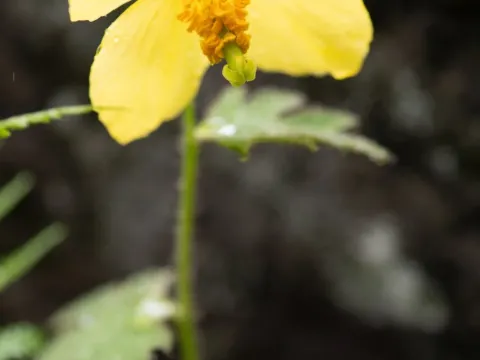
Meconopsis integrifolia
Papaver cathcartia
The sowing of Meconopsis integrifolia seeds is best performed in late winter or early spring using a greenhouse or indoor seed tray method. Seeds require a cold stratification period to break dormancy effectively.
What the section contains
Meconopsis integrifolia
Optimal germination occurs at temperatures between 12 and 15 degrees Celsius. It is crucial to maintain a consistent substrate moisture level without causing waterlogging in the containers.
Seedlings should be pricked out as soon as the first set of true leaves develops. Given the delicate nature of the root system, using biodegradable peat pots is highly recommended to avoid transplant shock.
Transplanting into the permanent outdoor location should only occur after the risk of frost has passed. Site selection should favor areas that provide shelter from harsh afternoon sunlight.
Direct sowing into the soil is generally discouraged due to the low germination rates in unprotected field conditions, making controlled nursery production the standard for this crop.
Meconopsis integrifolia belongs to the Papaveraceae family and originates from the alpine meadows of China and the Himalayas. It is highly adapted to cool, moist, and temperate high-altitude environments.
The crop requires fertile, well-draining soil with an acidic to neutral pH profile. Alkaline or lime-rich soils are detrimental to the health of this species and should be avoided.
Consistent, moderate moisture is essential. However, because the root system is prone to decay, excellent soil drainage is a non-negotiable requirement for sustainable cultivation.
During warm summer months, the root zone must be kept cool. Mulching with organic matter, such as pine needles or peat, helps regulate temperature and maintains soil moisture levels.
The plant is technically a perennial, but it often exhibits monocarpic behavior in cultivation, where the plant focuses its energy on flowering and seed production, eventually dying afterward.
Fungal pathogens represent the primary threat to Meconopsis integrifolia, especially in humid conditions or areas with poor air circulation around the foliage.
Root rot is the most common disease observed in poorly drained soils or excessive irrigation scenarios. Preventing water accumulation is the most effective form of preventative control.
Powdery mildew can affect the leaves during periods of fluctuating temperatures. Applying appropriate systemic fungicides at the first sign of infection is recommended to stop the spread.
Slugs and snails are the most frequent pests, as they consume the succulent leaves and developing flower buds during wet weather. Protective barriers or bait stations are standard control measures.
Overall management should focus on creating a balanced microclimate that discourages fungal spores while effectively deterring gastropods to ensure the vigor of the plant.