
Meconopsis racemosa
Meconopsis racemosa
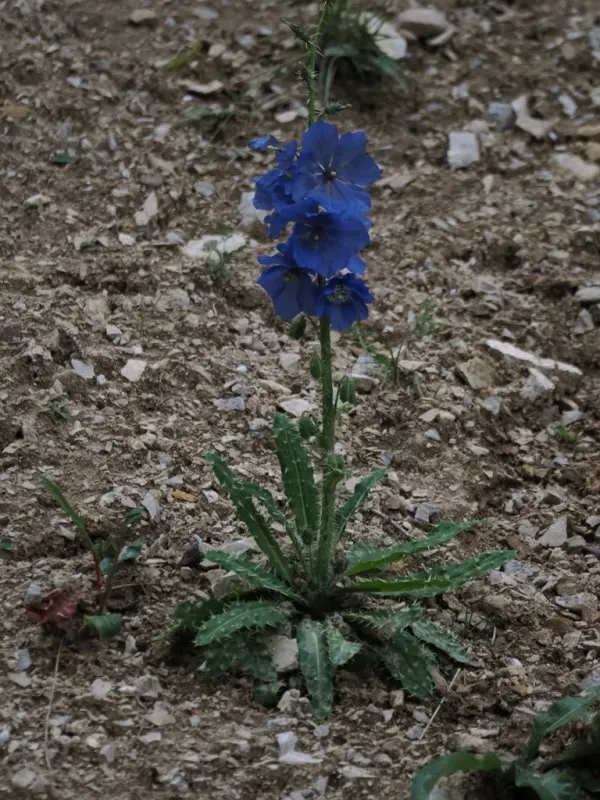
Description
Sowing dates
Meconopsis racemosa, a member of the Papaveraceae family, is a rare species requiring specific propagation conditions. The seeds exhibit low germination rates, so it is highly recommended to sow them in late autumn for outdoor stratification or to apply artificial cold stratification for two months.
The optimal time for indoor sowing is February or March. Containers must be kept in a cool location with temperatures around 10–12 degrees Celsius, as excessive heat is detrimental to the development of seedlings.
The growing medium for seedlings should be loose and composed of a mix of peat, sand, and leaf mold. Providing efficient drainage is essential to prevent water stagnation, which is critical for the delicate root systems of young poppy plants during their initial growth stages.
Pricking out young plants should be done with extreme care to avoid root disturbance, as Meconopsis species generally do not tolerate transplanting well. Final planting in the garden should be scheduled for the plant's second year once it has developed a stable leaf rosette.
While vegetative propagation through cautious division is possible, it is less favored than seed propagation due to the plant's slow adaptation and sensitivity to root disturbance after maturity.
Growing requirements
Being an endemic of the Himalayas, this culture has strict climatic requirements. Meconopsis prefers a temperate, cool climate with high atmospheric humidity and garden locations protected from direct, scorching midday sunlight.
The plant thrives in soils with an acidic or slightly acidic reaction. A lack of water stagnation is crucial; therefore, areas with heavy clay soils require the incorporation of significant amounts of organic matter and inorganic soil conditioners, such as fine gravel.
The ideal planting site is partial shade, typically under the canopy of trees or on north-facing slopes. During hot summer spells, the crop requires regular misting, as the desiccation of the root ball frequently leads to the plant's demise.
Mulching the soil around the base of the plant helps maintain necessary soil moisture and protects the roots from extreme temperature fluctuations. Compost or decomposed conifer needles are recommended as mulch to maintain the required acidity levels.
The winter hardiness of the species is relatively high, but in regions with snowless winters, light cover with evergreen boughs is beneficial. The primary challenge is not the cold itself, but the combination of high humidity and freezing temperatures, which necessitates excellent site drainage.
Main diseases and pests
Meconopsis racemosa is susceptible to fungal diseases that thrive when moisture levels are poorly managed. Powdery mildew is the most common threat, spreading rapidly in conditions of poor air circulation and excessive humidity.
In damp weather, plants may suffer from root rot caused by waterlogged substrates. Prevention involves strictly adhering to a proper watering schedule and avoiding getting water on the leaf rosettes, especially during evening hours.
Among pests, slugs and snails pose the greatest threat, often causing severe damage to succulent young leaves. Control methods include mechanical traps, gravel barriers around the plant base, or the use of specific iron phosphate-based pellets.
Aphids may infest buds and young shoots, weakening the plant and acting as vectors for viral diseases. Upon initial detection, contact-action insecticides or washing the affected areas with insecticidal soap are recommended.
Nematodes can also infest the root system, resulting in stunted growth and leaf deformation. It is important to maintain strict garden hygiene and use clean propagation material, ensuring that any infected specimens are removed and discarded immediately.