
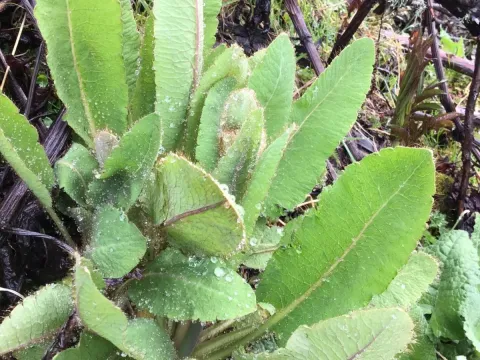
Meconopsis baileyi
Meconopsis baileyi
Meconopsis baileyi, commonly known as the Himalayan blue poppy, belongs to the Papaveraceae family. It is a perennial plant prized for its intense blue color and delicate appearance.
What the section contains
Meconopsis baileyi
Propagation is typically achieved through seeds, which require a cold stratification period. Sowing indoors in late winter ensures seedlings have enough time to establish before summer heat.
The substrate must be light, sterile, and slightly acidic. Seeds should be placed on the surface of the soil with minimal coverage, as they require light to germinate effectively.
Seedling development requires a cool environment with high humidity. Avoid overcrowding seedlings, as poor air circulation can lead to damping-off disease in the nursery phase.
Transplanting into the garden should occur once the risk of heavy frost has passed, choosing a permanent spot that requires minimal future disturbance to the root system.
The cultural success of this plant depends on replicating its native Himalayan habitat. It thrives in cool summers and high-humidity areas, struggling in hot or arid regions.
Soil quality must be rich in organic matter such as peat or leaf mold. Proper drainage is the most critical factor; the plant will not survive if roots sit in standing water.
A partial shade position is essential for Meconopsis baileyi. While it needs light, harsh midday sun can scorch the foliage and shorten the plant's lifespan.
Regular irrigation is necessary, ensuring the soil remains moist but not waterlogged. Mulching is recommended to keep the root zone cool during the transition into summer.
This species is used primarily for ornamental purposes, making it a centerpiece in specialized alpine gardens or woodland garden settings.
Fungal diseases are the primary threat, especially in humid and stagnant conditions. Powdery mildew can appear on the leaves if moisture levels are not managed correctly.
Root rot is highly prevalent in soils with high clay content. To manage this, ensure the planting site is elevated or amended with drainage material to prevent water accumulation.
Gastropods, including slugs and snails, find the succulent leaves of the blue poppy highly attractive. Protective barriers around new plantings are often required for plant survival.
Aphids can occasionally infest the flower stalks. Regular inspection and the use of insecticidal soaps can mitigate these issues without damaging the plant's sensitive foliage.
Maintaining clean garden hygiene, including the removal of dead or dying leaves, helps reduce the risk of secondary infections and pest colonization.
While Meconopsis baileyi is an ornamental crop, some enthusiasts collect seeds for further propagation. Seed pods should be harvested only when fully dry and brown to ensure viability.
Harvesting should be done on a dry day to prevent moisture from compromising the seed quality during storage. Seeds must be cleaned of debris and stored in a cool, dark, and dry place.
If harvesting for display, cut flowers should be placed in clean water immediately. However, the vase life of these blooms is relatively short compared to commercial cut flowers.
Deadheading spent flowers is a common practice to encourage the plant to direct its energy into root development rather than seed production, which may help the plant survive longer.
Post-flowering, the plant requires consistent moisture to prepare for the next season's growth cycle, so even after blooming, maintenance is essential for longevity.