
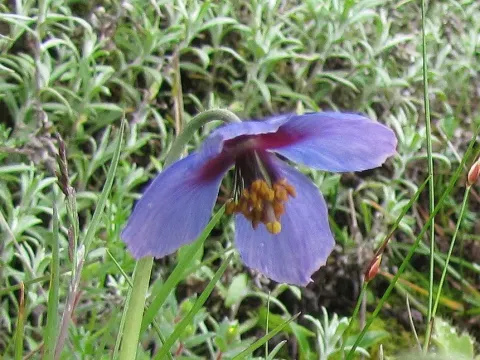
Meconopsis lyrata
Meconopsis lyrata
Meconopsis lyrata is a herbaceous perennial belonging to the Papaveraceae family. Originating from the high-altitude regions of the Himalayas, including parts of Tibet and Nepal, it is well-adapted to cool, alpine environments with high atmospheric humidity.
What the section contains
Meconopsis lyrata
The plant exhibits unique botanical features, including characteristic lyre-shaped leaves that give it its name. Its growth habit is typically compact, making it a highly prized subject for specialist alpine gardeners and botanical collectors.
To cultivate Meconopsis lyrata successfully, one must replicate its natural habitat. This means a cool site with protection from direct, intense sunlight and high summer heat, which can be lethal to the root system if not properly managed through thick gravel mulching.
The soil should be moist, well-drained, and rich in organic matter, such as leaf mold or composted bark. Poor drainage is the most common cause of failure in cultivation, as the plant cannot tolerate waterlogged conditions, particularly during its dormancy phase.
Its primary agricultural and horticultural utility lies in ornamental landscaping. It serves as an elite plant for rock gardens and cold-climate greenhouses where precise control over temperature and humidity is achievable.
Root rot is the primary threat to the vitality of the plant, often resulting from improper drainage or excessive soil moisture during the winter months. Ensuring a rapid runoff of water is essential for plant survival.
Slugs and snails present a significant problem in early spring, as they are attracted to the young, emerging foliage. Regular monitoring and physical barriers are often necessary to protect young specimens from total defoliation.
Aphids can occasionally infest the flower buds and tender stems. Their feeding weakens the plant and can serve as a vector for secondary infections, necessitating gentle but effective treatment or physical removal.
Fungal diseases like leaf spot may emerge if humidity levels are high and air circulation is insufficient. Maintaining an open planting scheme helps reduce the incidence of these pathogens significantly.
Successful management of Meconopsis lyrata requires a preventative approach, focusing on providing an environment that matches its natural high-mountain origins to keep the plant vigorous and resistant to pests.