
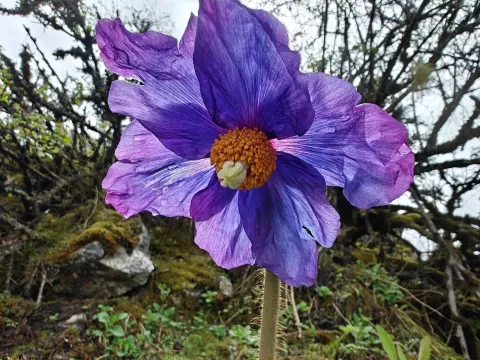
Meconopsis grandis
Meconopsis grandis
Sowing Meconopsis grandis seeds requires careful attention to detail, as they are minute and light-sensitive. Surface sowing on a damp, sterile substrate is the most effective method for successful germination.
What the section contains
Meconopsis grandis
Stratification is essential for these seeds; they should be kept at temperatures between 5 and 10 degrees Celsius for several weeks before raising the temperature to 15 degrees for germination.
Seedlings develop slowly, requiring a consistent environment without exposure to direct sunlight. High humidity must be maintained throughout the initial phase of their growth to prevent desiccation.
Once true leaves appear, seedlings should be carefully pricked out into individual pots. Minimizing root disturbance is vital, as the species is notoriously intolerant of being handled during its early life stages.
Hardening off young plants before permanent outdoor transplanting is recommended. This process ensures they adapt to the external environment, reducing transplant shock and promoting healthier growth.
Belonging to the Papaveraceae family, this species thrives in cool, humid climates similar to its native high-altitude Himalayan regions. It performs best in areas with moderate summers and high atmospheric moisture.
The soil should be rich in organic matter, slightly acidic, and provide excellent drainage. Incorporating leaf mold or peat moss helps create the moisture-retentive yet well-aerated structure required.
A partial shade location is critical for the survival of the plant. Intense direct sunlight can lead to leaf scorch and severe plant stress, especially during the hottest parts of the day.
Consistent watering with soft water is necessary to keep the root ball moist without causing saturation. Avoid overhead watering to reduce the likelihood of fungal infections on the foliage.
Mulching the soil surface helps maintain cooler root temperatures and moisture levels. Use organic materials like shredded bark or pine needles to preserve the acidity levels of the soil.
Fungal diseases, particularly grey mould (Botrytis), pose the greatest threat in humid or stagnant conditions. Maintaining good air circulation is a fundamental cultural practice for disease prevention.
Root rot is a common physiological problem resulting from waterlogged soil. Ensuring that the planting site has deep, loose soil or installing a drainage layer can prevent oxygen deprivation in the roots.
Slugs and snails are the primary pests, often devouring young shoots overnight. Implementing protective barriers or traps around the base of the plants is recommended to minimize browsing damage.
Aphids can occasionally cluster on tender flower buds, stunting their development. If infestations occur, targeted application of soft soaps or biological control agents should be utilized promptly.
Regular sanitation of the growing area involves removing dead leaves or decaying debris. This practice limits the availability of overwintering sites for pathogens and insect pests.