
Meconopsis napaulensis
Meconopsis napaulensis
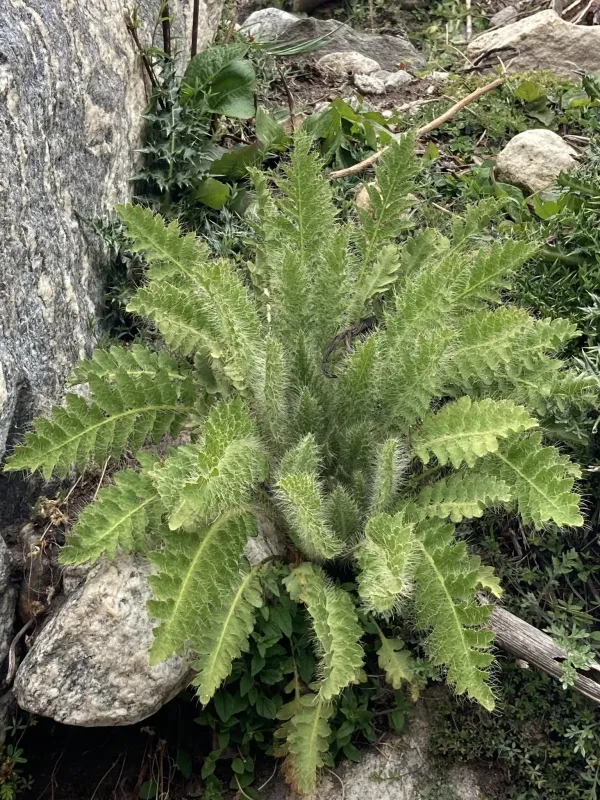
Description
Sowing dates
Meconopsis napaulensis requires a precise sowing approach, as its seeds are known for short-term viability and specific germination triggers. It is best to sow seeds in late autumn or early spring, as they often require a period of cold stratification to break dormancy.
The ideal substrate for germination consists of a fine, well-draining mixture of peat, perlite, and coarse sand. Seeds should be surface-sown and barely covered with a thin layer of grit to ensure adequate light exposure, which is necessary for the germination of many alpine poppy species.
Seedlings develop slowly, so maintaining a constant, cool temperature between 10 and 15 degrees Celsius is crucial during the early stages. Keeping the humidity high but ensuring adequate airflow prevents the damping-off disease common among young poppy seedlings.
Pricking out should be done carefully when the second pair of true leaves emerges, ensuring the roots remain undisturbed as much as possible. Gradual hardening off before transplanting into the garden ensures better survival rates for the young plants.
When sowing in regions with milder winters, early autumn sowing in a sheltered frame or greenhouse is often preferred to allow the roots to establish before the heat of the summer arrives.
Growing requirements
Originating from the high-altitude regions of the Himalayas, this species thrives in cool, humid environments that replicate mountain conditions. It is essential to avoid sites with high temperatures or extreme summer droughts, as these are detrimental to its health.
The soil must be rich in organic matter, slightly acidic, and exceptionally well-draining. Adding leaf mold or well-decomposed compost significantly improves soil structure and nutrient content, which is vital for the plant's robust growth.
Partial shade is the preferred position for Meconopsis napaulensis, particularly in areas where the afternoon sun is harsh. Placing the plant beneath deciduous trees or on north-facing slopes often yields the best results for consistent moisture levels.
Cultural practices include regular mulching with bark or leaf litter, which keeps the root zone cool and prevents rapid evaporation. Supplemental watering is necessary during dry spells, using soft water to avoid altering the soil's pH levels.
Winter care is centered on moisture management; the plant does not like to be waterlogged while dormant. In regions with heavy winter rainfall, providing a simple rain shelter or ensuring a slope for drainage can protect the crown from rotting.
Main diseases and pests
Fungal pathogens such as powdery mildew and various root rots pose a major threat to this species, especially when stagnant moisture is present. Proper plant spacing is a critical preventive measure to ensure optimal air circulation around the foliage.
Slugs and snails are the most frequent pests, showing a strong preference for the succulent young foliage of the Meconopsis. Implementing physical barriers like copper tape or crushed eggshells can help protect the plants during the vulnerable growth phase.
Spider mites may become a problem during hot, dry periods, causing yellowing and webbing on the underside of leaves. Regular monitoring and the application of appropriate biological controls can effectively manage mite populations without damaging the plant.
Root-knot nematodes can also be an issue if the soil has not been properly managed or if it was previously used for other susceptible crops. Testing the soil and avoiding over-fertilization help maintain the plant's natural vigor against such pests.
Sanitation is key to disease prevention; removing any dead or yellowing leaves during the season helps reduce the habitat for pathogens and pests. By keeping the growing environment clean, the overall health of the Meconopsis napaulensis is greatly improved.