
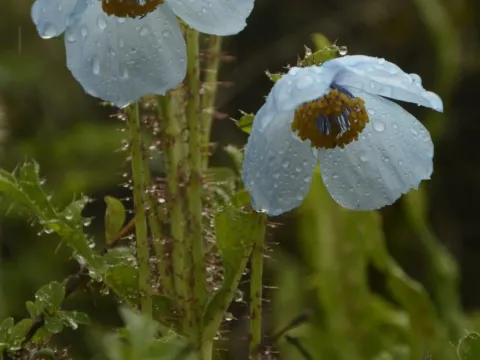
Meconopsis aculeata
Meconopsis aculeata
Sowing Meconopsis aculeata requires patience and careful preparation, as the seeds benefit significantly from a period of cold stratification. This process mimics the natural alpine winter conditions necessary for successful germination.
What the section contains
Meconopsis aculeata
Seeds should be sown on the surface of a light, well-draining substrate and barely covered with a thin layer of fine compost or grit. They require light to trigger germination, so they should never be buried deeply.
The germination period can be erratic, often lasting several weeks. Keeping the seed trays in a cool, shaded environment with stable temperatures between 10 and 15 degrees Celsius is essential for high success rates.
Transplanting seedlings must be done with extreme care to avoid disturbing the sensitive taproot system. Using individual peat or biodegradable pots for initial growth can help minimize root damage during transfer.
Moving the young plants to their final location should be done in early spring or autumn. Selecting a cool, cloudy day will help the plant adapt more easily to the new environment without suffering from dehydration.
Meconopsis aculeata is a high-altitude perennial belonging to the Papaveraceae family. It is prized for its intense floral beauty and requires a specialized environment that replicates its native Himalayan mountain habitats.
The ideal soil is moisture-retentive yet perfectly free-draining, rich in organic matter and slightly acidic. Heavy, waterlogged clay soils are unsuitable and will almost certainly lead to the death of the plant.
A location in partial shade is preferred, avoiding the intensity of the midday sun. Consistent air moisture is beneficial, making these plants excellent candidates for north-facing slopes or woodland settings.
Mulching the root zone with leaf mold or coarse grit is vital to maintain cool soil temperatures during the summer. This protection prevents the roots from overheating, which is a common cause of plant failure.
Regular irrigation is necessary throughout the growing season. The soil should remain consistently moist, but never soggy, to support the rapid development of the flower spikes and healthy foliage growth.
Fungal diseases are the primary threat to Meconopsis aculeata, particularly those caused by stagnant air and excessive soil moisture. Root rot is the most common condition that limits the lifespan of this plant.
Powdery mildew can affect the foliage during periods of fluctuating temperatures or dry air. Keeping the plant vigorous through proper site selection is the best way to maintain its natural resistance to infection.
Slugs and snails are major pests that can devour young shoots and foliage overnight. Utilizing gravel barriers or eco-friendly bait can effectively prevent damage during the plant's most vulnerable spring growth phase.
Aphids can also be problematic when they cluster on flower buds, draining the plant's energy. Early detection and simple mechanical removal are usually sufficient to manage these infestations without harsh chemicals.
Effective management involves maintaining proper spacing between plants to encourage air circulation, which significantly lowers the risk of mildew and encourages healthy, vigorous plant development.