
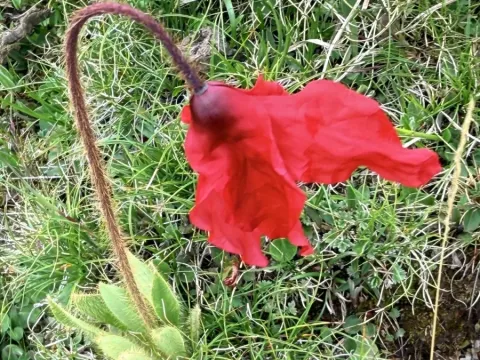
Meconopsis punicea
Meconopsis punicea
The propagation of Meconopsis punicea is primarily achieved through seed sowing, which typically requires a period of cold stratification to break dormancy effectively.
What the section contains
Meconopsis punicea
Seeds should be sown on the surface of a fine, moisture-retentive substrate consisting of peat, leaf mold, and sharp sand. The seeds must be exposed to light to germinate successfully.
Maintaining a stable temperature between 10 and 15 degrees Celsius is crucial. Higher temperatures often inhibit germination and can lead to seed rotting in the seed tray.
Seedlings are notoriously slow-growing and require patience. Once they reach the true-leaf stage, they should be carefully pricked out into individual pots to avoid root disturbance later.
Transplanting into the garden should be done when the plant has developed a strong root system, ideally in early spring, allowing the plant to establish itself before the summer heat.
Meconopsis punicea, commonly known as the red poppywort, is a member of the Papaveraceae family. It is native to high-altitude meadows in Tibet and China.
This species demands cool and humid environmental conditions. It thrives in regions with temperate climates, preferring shaded or semi-shaded locations protected from scorching sun.
The ideal soil is rich in organic matter, slightly acidic, and exceptionally well-drained. Heavy clay soils that retain water are unsuitable and will likely lead to rapid plant mortality.
Consistent moisture is essential during the active growing season. While the soil should be moist, it must never be waterlogged, as stagnant water is a death sentence for the roots.
Mulching is a standard practice to keep the root zone cool. Using organic materials like pine bark or composted leaves helps maintain a steady soil temperature throughout the summer.
Fungal pathogens such as mildew are common in humid, stagnant air. Proper spacing and good ventilation in the planting area are vital for preventing outbreaks of these diseases.
Root rot is the most serious threat, caused by poorly drained soils or excessive irrigation. Once symptoms appear, recovery is rarely possible, making prevention the best strategy.
Slugs and snails are the most prominent pests, often targeting young, succulent foliage. The use of traps or barriers is recommended to protect the plants during the early growth stages.
Aphids may infest the flower buds and stems during dry periods. While generally not lethal, they can weaken the plant and reduce the vibrancy of the red blooms.
Root-knot nematodes can also be problematic in some soils, leading to stunted growth. Avoiding planting in sites previously used for other poppy family members can reduce this risk.