
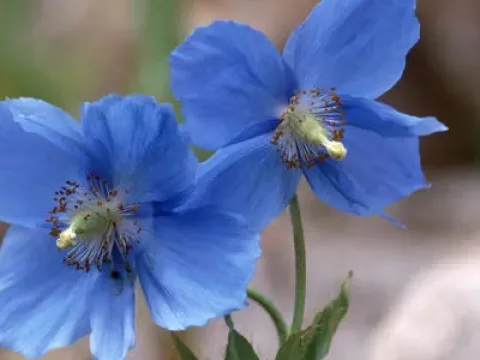
Meconopsis hybrids
Meconopsis hybrids
Seeds of Meconopsis hybrids are known for their low germination rate, which is why sowing immediately after harvest or a 1-2 month cold stratification at +4°C is recommended.
What the section contains
Meconopsis hybrids
The optimal time for sowing in indoor conditions is February or March, which allows the seedlings to develop properly before the onset of the summer heat.
Sowing should be done into a light, moisture-retentive substrate without burying the seeds deeply, as they require light to germinate effectively.
Seed trays must be kept in a cool environment, ensuring stable soil moisture without waterlogging, which is critical for successful emergence.
Pricking out of the seedlings is performed at the stage of 2-3 true leaves, taking extreme care to keep the root ball intact to avoid transplant shock.
Meconopsis hybrids belong to the Papaveraceae family and are popular ornamental plants famously known as the blue Himalayan poppy.
This crop has strict climatic requirements: it thrives in cool, sheltered environments away from direct midday sun and strong winds, requiring high air humidity.
For successful cultivation, plants need slightly acidic, fertile, and well-drained soils rich in organic matter, completely avoiding any limestone content.
The plant is highly sensitive to overheating of the roots and stagnant water, making cultivation difficult in hot regions without sophisticated cooling systems.
In their natural environment or optimized garden settings, they prefer partial shade, which protects the foliage from dehydration and bleaching.
The primary threats to this species are root rots caused by excessive soil moisture or the use of heavy, non-draining soil types.
Under conditions of high humidity combined with poor air circulation, Meconopsis can be susceptible to powdery mildew, requiring preventive fungicide applications.
Slugs and snails are the most significant pests, as they often target and feed on the tender leaves and stems during the night.
Aphids can also infest young flower stalks, draining sap and hindering the overall vigor and decorative quality of the plant.
To mitigate these risks, regular monitoring of the garden bed is essential, along with proper mulching around the crown to manage ground moisture levels.