
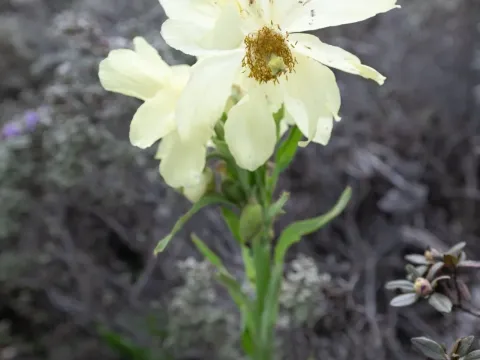
Meconopsis
Meconopsis
Meconopsis seeds require a period of stratification to break dormancy, so sowing should be initiated in late winter or early spring. Keeping the seeds in a cold environment for a month significantly improves germination rates.
What the section contains
Meconopsis
Use a light, sterile potting medium consisting of peat and perlite to provide optimal drainage and aeration. Scatter the seeds on the soil surface, cover lightly with sand, and keep them in a humid environment until germination occurs.
Once seedlings emerge, move them to a bright, cool location while protecting them from direct sunlight. Handle the seedlings with extreme care during transplanting, as the root systems of Meconopsis are notoriously delicate and sensitive.
Transfer the plants into the open garden only after the risk of late spring frosts has passed. Acclimatizing the plants through a gradual hardening process is essential for their long-term survival in the garden environment.
For best results, maintain a cool, constant temperature for the seedlings. Rapid fluctuations in temperature can lead to poor development and increased susceptibility to physiological stresses.
Meconopsis is a member of the Papaveraceae family, native to the alpine regions of the Himalayas. This crop thrives in cool, moist climates and performs poorly in regions with hot, humid summers.
The ideal growing medium is a rich, moisture-retentive, yet well-drained soil with a slightly acidic pH. Incorporating large amounts of organic compost or leaf mold into the planting hole helps provide necessary nutrients.
Planting sites should be in partial shade, sheltered from harsh midday sun and strong winds. Consistent moisture is critical for the health of the plant, especially during the active growth and flowering stages.
Mulching around the base of the plant is highly recommended to keep the roots cool and prevent moisture loss from the soil. This practice replicates the alpine conditions to which the plant is naturally adapted.
Fertilization should be handled with care; use a balanced fertilizer with low nitrogen content to avoid excessive vegetative growth. Over-feeding can weaken the plant and make it susceptible to environmental issues.
Fungal pathogens such as root rot and powdery mildew are the most common threats to Meconopsis. These diseases typically flourish in environments with poor air circulation or excessive soil moisture.
Slugs and snails can cause significant damage to young foliage early in the growing season. Implementing physical barriers or regular monitoring is essential to protect the delicate leaves from these pests.
Aphids and spider mites may infest the plants if the growing conditions are not optimal, particularly if the plants are stressed by drought. Targeted use of horticultural soap or biological controls is effective.
Good garden hygiene, such as removing dead leaves and weeds, significantly reduces the risk of disease spread. Proper spacing between plants also ensures adequate ventilation, which helps prevent moisture buildup.
Early identification of signs such as yellowing leaves or stunted growth allows for prompt intervention. Maintaining plant vigor through optimal care is the best strategy for preventing major pest and disease outbreaks.