
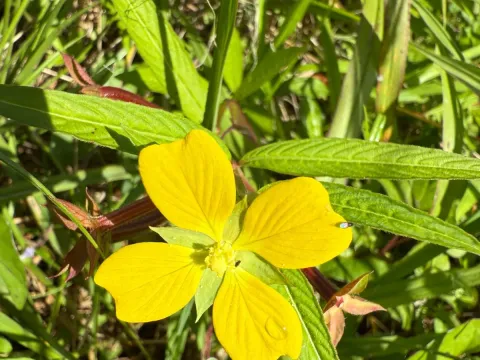
Ludwigia
Jussiaea
Ludwigia (synonymous with Jussiaea) is a genus of perennial herbs belonging to the Onagraceae family. These plants are widely known for their adaptability to aquatic, semi-aquatic, and wetland environments across tropical and temperate zones.
What the section contains
Ludwigia
Botanically, the plant features flexible, often reddish or green stems with alternate or opposite leaves. Depending on the species, it can develop either submerged, floating, or emersed foliage, which significantly impacts its aesthetic and functional utility.
The crop requires high light intensity to thrive and maintain its vibrant leaf coloration. In a controlled agricultural or greenhouse environment, consistent illumination is essential to prevent etiolation and promote biomass development.
Optimal growth conditions involve a temperature range of 22 to 28 degrees Celsius. The soil or substrate should be rich in nutrients, particularly organic matter, and must maintain a slightly acidic to neutral pH level for maximum nutrient uptake.
Ludwigia is primarily valued in aquatic nursery industries and landscaping. Its ability to absorb nutrients directly from the water column makes it an efficient biological agent for water quality management in controlled systems.
The primary threats to Ludwigia include fungal infections, such as root rot, which are triggered by waterlogged conditions and poor substrate drainage. Such conditions rapidly degrade the plant's structural integrity.
Insects like aphids and spider mites represent significant risks to plant health. These pests proliferate rapidly in environments with poor air circulation, necessitating regular monitoring and early intervention.
Nutrient deficiencies, particularly involving iron and magnesium, frequently manifest as chlorosis. This condition causes the leaves to pale while the veins remain green, signaling a need for targeted fertilization.
Competitive algae growth poses a major threat in aquatic settings, as it competes for essential light and nutrients. Controlling algae populations is critical for the survival of the plant.
Management strategies involve rigorous sanitation practices, proper climate control, and the judicious use of pesticides or organic treatments to maintain the health and vigor of the Ludwigia crop.