
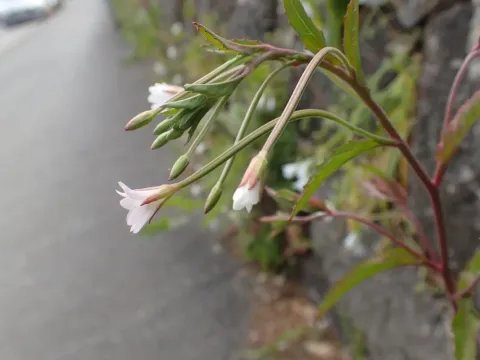
Lance-leaved willowherb
Epilobium lanceolatum
Lance-leaved willowherb (Epilobium lanceolatum) is a herbaceous perennial plant belonging to the Onagraceae family. In agricultural practices, it is propagated primarily through seeds or via vegetative division of its spreading rhizomes.
What the section contains
Lance-leaved willowherb
The optimal sowing time is early spring, once the soil has warmed to at least 8–10 degrees Celsius. Seeds require a period of stratification to break dormancy and ensure uniform germination across the field.
For large-scale cultivation, winter sowing is often preferred as it allows seeds to undergo natural stratification in the soil. This practice typically leads to earlier and more vigorous spring growth.
Planting density should be managed with 45–60 centimeters between rows. This spacing is essential for maintaining airflow and allowing for mechanical weeding, which is vital for the crop's establishment in the first year.
Seeds should be planted at a shallow depth of approximately 0.5 to 1 centimeter. After sowing, light rolling is recommended to ensure the fine seeds are firmly pressed into the moist soil for optimal germination.
The plant thrives in regions with moderate, temperate climates. It is best suited for sunny, open areas, although it demonstrates a degree of shade tolerance which can be useful in specific agroforestry settings.
Regarding soil preferences, lance-leaved willowherb requires fertile, loose, and well-drained loamy or sandy soils. It is sensitive to waterlogging, so fields with poor drainage should be avoided or remediated before planting.
The crop is relatively demanding regarding moisture levels during the active growth phase. While it can handle dry spells, sustained drought reduces biomass significantly, necessitating supplemental irrigation in arid regions.
Crop rotation is essential for disease prevention. It is highly recommended to follow nitrogen-fixing crops or well-managed fallows to ensure the soil is free from perennial weeds that could outcompete the willowherb.
Fertilization regimes should prioritize balanced nitrogen and phosphorus applications during the spring to stimulate leafy biomass production, which is the primary value of the crop in commercial settings.
The economic value of lance-leaved willowherb lies in its pharmacological and nutritional applications. The aerial parts of the plant are rich in flavonoids, tannins, and essential organic acids.
Maximum dry matter yield is typically achieved in the second and third years of production. A well-maintained plantation can produce between 3 to 5 tons of dry herb per hectare depending on site conditions.
To ensure long-term productivity, rhizome clumps should be thinned or rejuvenated every five years. This prevents overcrowding, which would otherwise lead to a decline in leaf quality and total biomass production.
Post-harvest efficiency is crucial. Proper drying at controlled temperatures of 40–50 degrees Celsius is necessary to preserve the plant's active chemical constituents and ensure shelf-life stability for the end consumer.
Market demand often dictates harvest timing. Farmers should focus on producing high-quality leaf material, which is the most sought-after component for tea manufacturing and extract production in the herbal industry.
The crop is susceptible to common fungal pathogens such as rust and powdery mildew, especially under high humidity conditions. These diseases can rapidly diminish the quality of the harvested aerial parts.
Pests, particularly caterpillars and aphids, can cause significant damage to the foliage during the summer months. Integrated pest management strategies, focusing on biological controls, are preferred over synthetic chemicals.
Proper field management, including maintaining adequate row spacing to facilitate airflow, is the first line of defense against most fungal diseases. Dry conditions around the base of the plant significantly reduce pathogen risk.
Sanitary practices are vital for sustainable production. Removing crop debris post-harvest reduces the survival of pathogen spores and insect larvae, effectively lowering the pest pressure for the following growing season.
In cases of severe infestation, targeted, environmentally friendly insecticides may be used, provided that the application occurs well before the flowering period to avoid residues in the final herb product.
Harvesting should be timed to coincide with the peak flowering period, as this is when the concentration of essential botanical compounds in the leaves and stems is at its highest level.
Mechanical harvesting is generally performed using forage harvesters, with the blade height set to 10–15 centimeters above ground level. This height allows for rapid plant regeneration and potential subsequent harvests later in the year.
Speed is of the essence after cutting. The freshly harvested biomass must be transported to a facility immediately to prevent heating and fermentation, which can degrade the quality of the herbal raw material.
Quality control during harvest involves careful sorting to remove foreign matter such as soil, stones, or invasive weed species that could contaminate the final product batch during the processing stage.
Final processing involves drying and cleaning the herb to ensure it meets international quality standards. Proper moisture content management during storage is the final step in ensuring the crop's long-term commercial value.