
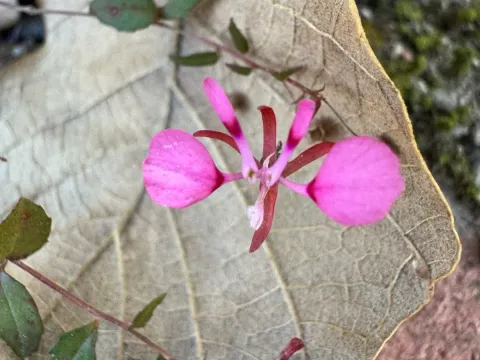
Lopezia
Lopezia
Sowing Lopezia seeds should ideally start in late winter or early spring in a greenhouse or indoor setting. Seeds are tiny and require light to germinate, so they should be pressed lightly into the soil surface without deep covering.
What the section contains

Lopezia
For outdoor sowing, wait until all danger of frost has passed, as Lopezia is sensitive to cold temperatures. The soil should be pre-warmed to ensure rapid germination of the seeds in the garden beds.
Pricking out the seedlings into individual containers is recommended once they reach the two-leaf stage. This promotes stronger root development and prevents competition for nutrients among crowded seedlings.
Space the plants approximately 20–25 centimeters apart when planting in the landscape to allow for proper airflow. Good ventilation is essential to keep the foliage dry and healthy throughout the season.
For containerized cultivation, ensure the use of well-draining potting mix. Lopezia thrives in pots, making it an excellent choice for balconies and patios where its delicate flowers can be easily enjoyed.
Lopezia belongs to the Onagraceae family and is native to mountainous regions of Mexico and Central America. These plants thrive in locations with bright, indirect light and partial afternoon shade.
The soil must be light, porous, and nutrient-rich, with a neutral to slightly acidic pH. Incorporating organic matter into the soil helps retain necessary moisture while allowing excess water to drain away.
Consistent moisture is key, but waterlogging must be strictly avoided. During the peak summer heat, regular but careful watering is necessary to prevent the foliage from wilting and dropping.
Fertilizing with a balanced liquid fertilizer every two weeks during the blooming period encourages continuous flowering. Avoid high-nitrogen fertilizers, which primarily boost vegetative growth at the expense of blooms.
Lopezia prefers moderate temperatures and is not tolerant of intense heat combined with high humidity. Providing adequate air circulation around the plants will keep them vigorous and prevent stress-related issues.
Powdery mildew is the most common fungal disease affecting Lopezia, particularly in environments with poor air movement. Fungicidal treatments and improved spacing are necessary for effective control.
Aphids and spider mites are frequent pests that target the terminal growth of the plants. Regular monitoring and the application of horticultural soaps are recommended to keep pest populations at bay.
Root rot occurs if the soil remains excessively damp for prolonged periods. Ensuring the planting medium is well-aerated is the primary defense against this potentially fatal condition.
Slugs and snails can consume young foliage quickly, especially in damp spring weather. Implementing physical barriers like copper tape or gravel around the base can protect the plants from these mollusks.
Whiteflies can sometimes infest greenhouse-grown Lopezia, leading to stunted development. Yellow sticky traps or appropriate biological controls are useful methods to manage these insects effectively.