
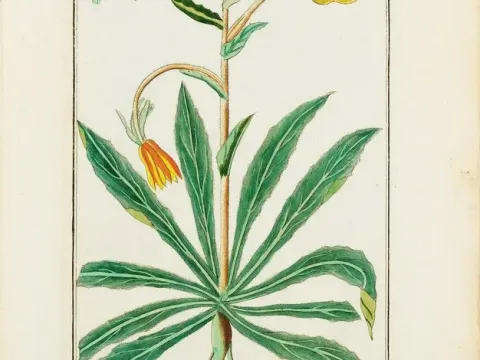
Long-flowered evening primrose
Oenothera longiflora
Oenothera longiflora belongs to the Onagraceae family. Sowing is typically performed in late spring when the soil temperature consistently reaches at least 10 degrees Celsius.
What the section contains
Long-flowered evening primrose
Because the seeds are extremely small, they should be sown shallowly, ideally at a depth of no more than 0.5 to 1 centimeter for optimal germination rates.
In commercial agriculture, wide-row planting with spacing between 45 and 60 centimeters is recommended to facilitate mechanical weeding and ensure healthy air circulation.
Seedbed preparation must be meticulous; the soil should be fine-textured to allow for consistent moisture distribution, which is vital for the tiny seeds.
The seeding rate varies based on local conditions but generally ranges from 2 to 4 kilograms per hectare to maintain an adequate population density.
This crop thrives in well-lit, sunny areas and prefers light, sandy or loamy soils that provide excellent drainage, as it is sensitive to waterlogging.
Oenothera longiflora exhibits significant drought tolerance once established, making it a robust option for areas with moderate annual rainfall.
The ideal soil pH for this plant ranges from 6.0 to 7.5, which is compatible with many existing agricultural soil profiles across various regions.
Good soil aeration is critical; therefore, regular cultivation between rows helps improve oxygen availability for the roots and suppresses competing weeds.
It performs best in open fields where it can receive maximum solar exposure throughout the day, which is necessary for productive flowering and seed maturation.
The main commercial value of this crop lies in its seeds, which are a valuable source of gamma-linolenic acid, widely utilized in the pharmaceutical and cosmetic industries.
With proper agronomic management, growers can expect an average seed yield of 8 to 15 centners per hectare, depending on soil fertility and irrigation management.
The oil content in the seeds is high, typically ranging from 20 to 25 percent, providing a strong economic incentive for large-scale production.
Productivity is highly dependent on effective pollination; as the plant flowers primarily at night, managing local insect populations is beneficial.
Strategic application of phosphorus and potassium fertilizers during the bud development stage can significantly improve both the quantity and quality of the final harvest.
The most significant threats to the crop include root rot infections, which often occur due to poor drainage or excessive standing water in the field.
Foliar diseases such as powdery mildew can affect the plant during humid periods, requiring prompt intervention with approved fungicides to prevent spreading.
Aphids are the most common pests, targeting the tender shoots and buds, which can lead to reduced plant vigor and lower seed yields if left unchecked.
Cutworms can cause mechanical damage by chewing through the stems of young plants, making vigilant scouting during the early growth stages essential.
- Implement strict crop rotation patterns
- Regular monitoring for pest outbreaks
- Ensure proper soil drainage before planting
Harvesting should occur when the seed pods have turned brown and reached full maturity, but before they begin to split and drop their contents.
Since maturation is often uneven across the field, swathing or two-stage harvesting is the standard practice to maximize recovery and minimize seed loss.
After cutting, the plant material should be allowed to dry slightly in the field to simplify the mechanical threshing process without damaging the seeds.
Post-harvest cleaning is vital; advanced seed cleaning equipment is required to separate the seeds from stalks, husks, and other organic debris effectively.
Proper storage involves keeping the seeds in a dry, well-ventilated, and cool environment to prevent degradation of the oil and maintain high product quality.