
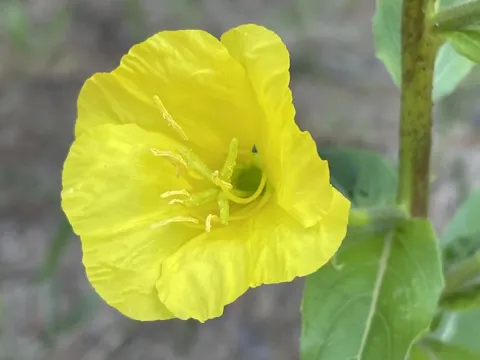
Oenothera ersteinensis
Oenothera ersteinensis
Oenothera ersteinensis is a member of the Onagraceae family, recognized for its potential in agricultural production. The sowing process is ideally conducted in early spring once soil temperatures reach 8-10 degrees Celsius, ensuring optimal conditions for germination.
What the section contains
Oenothera ersteinensis
Because the seeds are remarkably small, the seedbed must be finely prepared to ensure even distribution. Seeds should be planted at a shallow depth of 1-2 centimeters to ensure they can emerge successfully without depleting their energy reserves.
In professional farming, a wide-row spacing of up to 45 centimeters is recommended. This spacing is crucial for supporting the development of a strong basal rosette of leaves before the plant transitions to the flowering stage.
Emergence typically occurs between two and three weeks post-sowing, depending on environmental moisture levels. Mechanical weeding between rows during the early stages of development is essential to minimize competition for sunlight and nutrients.
For large-scale cultivation, precision seeders are preferred to maintain optimal plant density. Consistent moisture in the upper soil layer during the first few weeks after planting significantly improves stand establishment.
This species thrives in sunny, open environments, as it is highly sensitive to shading, which can severely reduce both growth and seed yield. Well-lit fields are essential for maximum photosynthetic efficiency.
Soil requirements involve well-drained loams or sandy-loam soils with a neutral pH range of 6.0 to 7.5. The plant is intolerant to waterlogged soils, which increase the risk of root pathogens and decrease productivity.
Oenothera ersteinensis exhibits notable drought resistance, making it suitable for areas where rainfall might be sporadic during the growing season. However, adequate moisture during the transition to flowering is beneficial.
Climatic adaptability is one of its strengths, although extreme temperature fluctuations during the budding phase can impact the flowering duration. The plant is generally hardy and adapts well to moderate climatic zones.
Fertilizer application should be moderate. An oversupply of nitrogen is detrimental, as it encourages excessive foliage growth at the expense of oil content in the seeds, which is the primary economic target of this crop.
The main biological threats include specific lepidopteran larvae that target the foliage and reproductive organs. Aphids can also be problematic during the vegetative growth phase if population densities remain unchecked.
Fungal diseases, including powdery mildew and various leaf spot pathogens, can emerge in high-humidity conditions. Ensuring proper airflow through maintained row spacing is the primary cultural control method.
Integrated Pest Management (IPM) protocols are recommended, prioritizing crop rotation to break the life cycles of soil-borne pathogens. Planting Oenothera after other Onagraceae family members should be avoided.
Root rot is a significant risk in poorly drained fields. Regular monitoring of the field is necessary to catch early signs of distress, allowing for targeted interventions rather than blanket chemical applications.
Weed management is vital throughout the early growth phase. Since Oenothera can be sensitive to standard herbicides, mechanical cultivation and mulching strategies are often more reliable than chemical control.
Harvesting requires precision as the seed pods do not all reach maturity at the same time. The optimal strategy involves a two-stage harvest process, cutting the plants when the lower pods turn brown.
Precise timing is necessary to prevent premature seed shattering, which can lead to significant yield losses. Moisture levels should be monitored closely during the harvest period to ensure the stability of the crop.
After threshing, seeds must be cleaned to remove debris and then dried until moisture content drops to approximately 10-12 percent for safe storage. Proper aeration in storage units prevents mold development.
The seeds are harvested primarily for their oil, which is valued for its unique concentration of gamma-linolenic acid. This makes Oenothera ersteinensis a valuable industrial crop for the cosmetic and supplement sectors.
Advanced mechanical harvesting technology allows for efficient gathering of the pods. When managed correctly, the crop provides high-quality raw materials that meet international standards for oil production.