
Oenothera issleri
Oenothera issleri
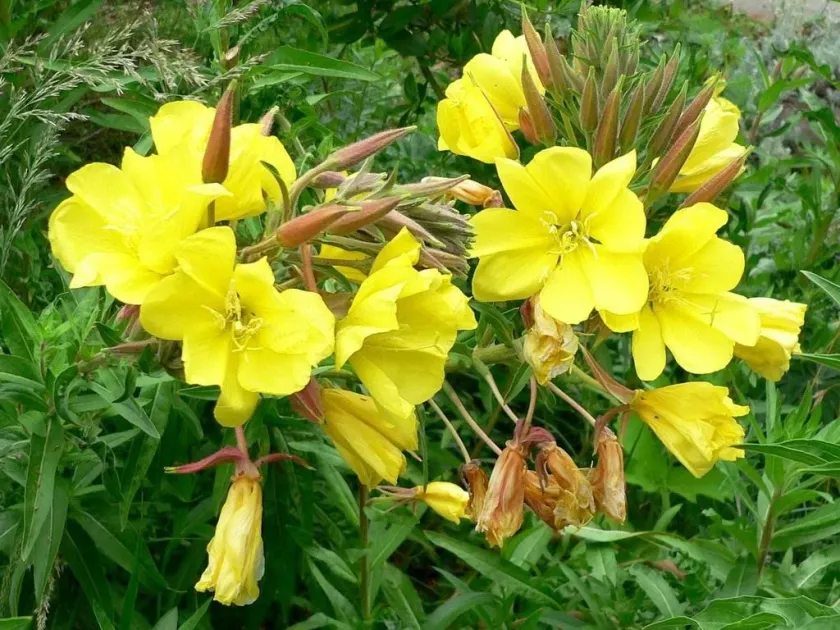
Description
Sowing dates
Oenothera issleri belongs to the Onagraceae family and is a biennial herbaceous plant. Sowing is typically carried out in early spring as soon as the soil warms up to 10-12 degrees Celsius, or in late autumn for natural stratification of the seeds.
The seeds of this crop are extremely small and require a shallow sowing depth of no more than 0.5–1 cm. Ensuring good contact between the seeds and the moist soil is crucial for successful germination, as the seeds are sensitive to drying out.
A row spacing of 45 to 60 cm is recommended to ensure adequate light and airflow. This spacing allows for mechanical weed control, which is essential given the slow growth of the seedlings in the first few weeks.
The seeding rate is approximately 2–3 kg per hectare, depending on seed quality. Using precision drills can help achieve the desired density and prevent overcrowding, which would otherwise compete for light and nutrients.
Pre-sowing treatment, such as calibrating the seeds and using growth stimulants, can help improve germination uniformity. This is particularly beneficial for crops intended for commercial seed production.
Growing requirements
This crop prefers sunny locations with light, well-drained sandy or loamy soils. Waterlogging is detrimental to the root system and must be avoided to prevent root rot and other fungal diseases.
The ideal soil pH range for Oenothera issleri is between 6.0 and 7.5. While the plant is quite adaptable, it performs best in soils with moderate fertility that have been properly prepared to eliminate weeds.
Oenothera is drought-tolerant once established due to its deep taproot, but it requires consistent moisture during the budding and flowering phases to reach its full yield potential.
The plant is highly frost-hardy and survives the winter as a leaf rosette. It does not require special winter protection, making it suitable for regions with harsh cold seasons.
Proper nutrient management involves focusing on phosphorus and potassium to strengthen the root system. Excessive nitrogen should be avoided to prevent over-abundant vegetative growth at the expense of seed formation.
Yield
Yield depends heavily on the growing conditions, specifically the availability of moisture during the peak flowering and seed development stages. Efficient management practices lead to stable output.
The crop is highly valued for the oil content in its seeds, which contains specific fatty acids. Optimization of the plant density and timely weed control are key factors in maximizing the harvest.
The yield potential is influenced by the number of flowering stems per plant. Consistent monitoring of plant health throughout the season ensures that the maximum number of capsules reach maturity.
Developing a niche market for the plant's seeds in the pharmaceutical and cosmetic industries has increased the economic viability of growing Oenothera issleri on a larger scale.
Micronutrient applications during the budding phase can significantly improve the 1000-seed weight, thus boosting the overall production per hectare.
Main diseases and pests
Powdery mildew is the most common disease affecting Oenothera, especially in humid conditions with poor air circulation. Maintaining proper row spacing helps in reducing the incidence of this fungus.
Root rot occurs in poorly drained soils. Farmers should practice crop rotation and treat seeds with fungicides if necessary to protect young plants from soil-borne pathogens.
Pests such as aphids and leaf-eating caterpillars can cause damage during the active growing season. Regular field scouting is necessary to identify infestations early and take action.
Certain weevil species may target the seed capsules, potentially reducing the harvest. Biological control measures are often preferred to maintain the quality of the raw material.
An integrated pest management (IPM) approach is recommended to balance the need for crop protection with the requirement for chemical-free end products.
Harvesting
Harvesting should begin when most seed capsules have turned brown but before they open naturally. This timing is critical to minimize shattering and yield loss in the field.
A two-stage harvesting process is usually employed: the plants are swathed and left to dry in the field for a few days to ensure uniform maturation of the seeds in the remaining green capsules.
Threshing is performed with a combine harvester adjusted for low drum speeds to avoid damaging the small seeds. Proper machine settings are essential for a clean and efficient harvest.
Post-harvest processing involves cleaning the seeds and drying them to a moisture content of 9-10% for safe long-term storage. Stored seeds must be kept in cool, dry conditions with adequate ventilation.
Correct storage prevents mold development and helps maintain seed viability and oil quality for future use or processing.