
Oenothera filiformis
Oenothera filiformis
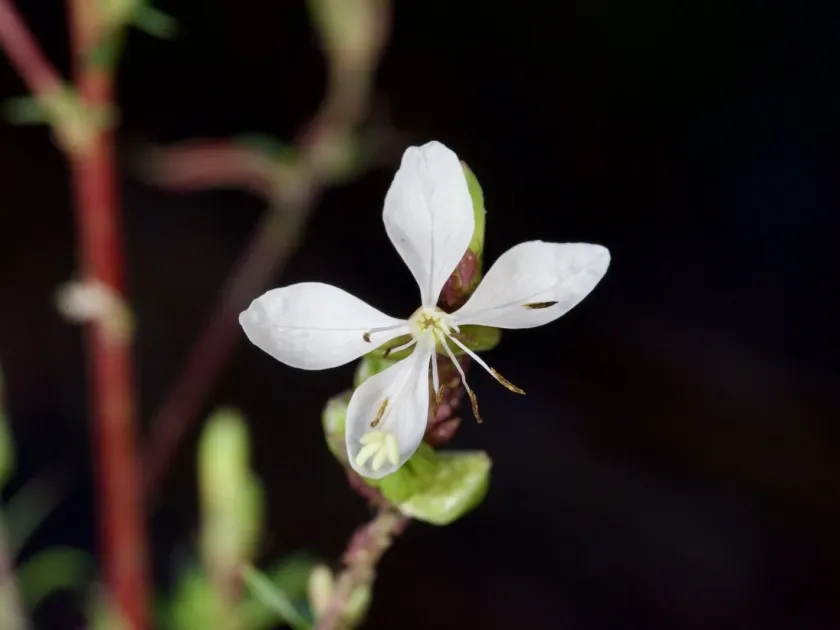
Description
Sowing dates
Oenothera filiformis, belonging to the Onagraceae family, is a crop valued for its unique biological properties. Sowing is typically carried out in early spring when soil temperatures reach a minimum of 10 degrees Celsius.
The seeds are notably small, necessitating a shallow sowing depth of approximately 0.5 to 1 centimeter to ensure consistent emergence under field conditions.
Standard row spacing varies between 30 and 45 centimeters, allowing for adequate space for the plants to develop their characteristic rosette stage during the first growing season.
For regions with mild winters, autumn seeding is a viable strategy, allowing the seeds to undergo natural stratification and emerge earlier in the spring.
Ensuring accurate seed placement and proper soil compression after drilling is crucial for maximizing crop stand density and field establishment.
Growing requirements
This crop thrives in sunny, open locations, as high solar radiation is essential for robust development and maximum oil content in the seeds.
Well-drained soils, particularly sandy loams, are preferred to prevent waterlogging, which the plant is highly sensitive to during its developmental stages.
While the species exhibits moderate tolerance to drought, consistent soil moisture during the transition from vegetative to reproductive growth significantly improves overall yields.
Optimal growth is achieved in soils with a neutral pH, although the plant demonstrates adaptability across a range of soil types provided drainage is sufficient.
Nutrient management focuses on balancing nitrogen, phosphorus, and potassium to support vigorous stem growth and high-quality floral production.
Main diseases and pests
Fungal pathogens represent the most significant threat to the health of the crop, particularly under conditions of high relative humidity and poor field ventilation.
Powdery mildew infections often manifest on the foliage, requiring immediate intervention to prevent the reduction of the photosynthetic surface area.
Pests such as aphids and various weevils frequently target the reproductive organs, including buds and seed pods, directly impacting the final agricultural output.
- Integrated pest management includes:
- Regular field scouting and monitoring.
- Application of approved insecticides at economic thresholds.
- Strict adherence to crop rotation cycles to disrupt pathogen lifecycles.
Maintaining crop vigor through optimal agronomic practices is the first line of defense against both biotic and abiotic stressors throughout the season.