
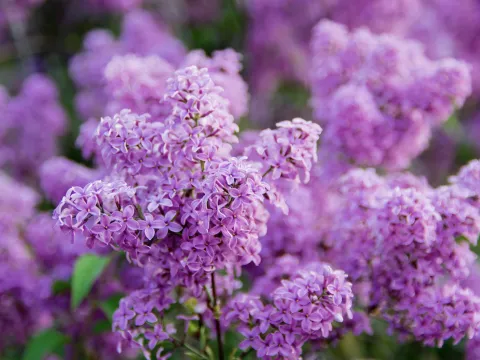
Hybrid Lilac
Syringa hybrids
Hybrid lilac (Syringa hybrids) belongs to the Oleaceae family. These plants are the result of deliberate cross-breeding aimed at enhancing fragrance, flower color range, and overall structural durability in various temperate climates.
What the section contains
Hybrid Lilac
These shrubs thrive in locations with full sun exposure, which is essential for ensuring robust bloom production. Proper air circulation around the canopy is also vital to prevent moisture accumulation and fungal infections.
The ideal growing medium is a well-drained, fertile, loamy soil with a neutral to slightly alkaline pH level. Soils that remain waterlogged for extended periods are highly detrimental to the health of the root system.
Hybrid lilacs are recognized for their excellent cold hardiness, allowing them to withstand significant winter temperatures. However, consistent moisture during the initial establishment phase is critical for long-term survival.
Routine cultural practices include annual pruning immediately after the flowering period to encourage new growth. Additionally, balanced fertilization in early spring provides the necessary nutrients for the vigorous development of foliage and flowers.
Powdery mildew is the most prevalent fungal disease, typically appearing as a white, dusty film on the leaves during periods of high humidity and warm temperatures.
Pests such as the lilac borer and scale insects can cause significant damage to the wood and sap-conducting tissues, potentially leading to branch dieback if left untreated.
Bacterial blight is another concern, often characterized by blackened shoots and leaves, which requires prompt pruning and disposal of affected plant material to prevent spread.
Integrated pest management, including the use of horticultural oils and targeted fungicides, is recommended to keep pest populations below economic or aesthetic injury levels.
Maintaining a clean garden environment by clearing debris beneath the shrubs helps reduce the overwintering sites for many common pathogens and insect pests.
Hybrid lilacs are primarily utilized in landscaping as specimen plants, background shrubs, or as part of flowering hedges that provide visual interest and seasonal fragrance.
For cut flower production, stems should be harvested when at least half of the florets are open. Using a sharp blade and immediate placement in cool, clean water extends the vase life significantly.
Pruning out spent blossoms is an essential task, as it prevents the plant from wasting energy on seed pod production, allowing those resources to be redirected toward future flower buds.
In nursery settings, propagation is typically managed through grafting or soft-wood cuttings to ensure that the unique genetic traits and hybrid vigor of the specific cultivar are preserved.
While the primary value is ornamental, the pleasant scent of the blooms makes them a popular choice for public parks and private gardens, contributing to the local ecosystem by attracting various pollinators.