
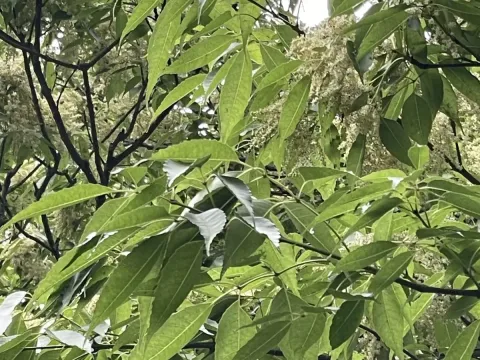
Island ash
Fraxinus insularis
Island ash (Fraxinus insularis) is a significant timber species belonging to the Oleaceae family. This tree species is native to specific island and coastal regions of East Asia, thriving in moderate climates with sufficient moisture throughout the year.
What the section contains
Island ash
The cultural success of this species depends heavily on site selection, as it requires deep, fertile, and well-drained soils. Avoiding waterlogged areas is crucial, as the root system is sensitive to prolonged anaerobic conditions that often lead to stunted growth.
Regarding light requirements, Island ash performs best in full sunlight but can withstand partial shade in early stages of development. Regular precipitation or supplemental irrigation during the peak growing season ensures optimal wood density and tree health.
Economically, the wood of Fraxinus insularis is highly valued for its mechanical properties, including high strength, shock resistance, and flexibility. It is extensively used in high-quality furniture, tool handles, and specialized architectural applications.
Cultivation protocols typically involve selecting high-quality seedlings and ensuring proper spacing in plantations. This approach maximizes timber quality while maintaining sustainable forest management practices and protecting the ecosystem.
Fungal pathogens, particularly those causing bark necrosis and vascular wilts, pose the most significant threat to Island ash populations. Effective management requires constant surveillance and the immediate removal of infected specimens to prevent spread.
Pest management focuses on wood-boring beetles and defoliating insects that can reduce annual growth increments. Utilizing biological controls and integrated pest management (IPM) strategies remains the gold standard for maintaining healthy plantations.
Environmental stress, such as severe droughts or extreme heat waves, weakens the trees, making them susceptible to opportunistic secondary infections. Proper site preparation and mulch application can mitigate these risks in younger forest stands.
Browsing by wildlife can severely damage young plantations, necessitating the use of mechanical protectors or fencing during the initial years of growth. This proactive approach significantly reduces long-term mortality and ensures uniform stand structure.
Long-term health in forestry depends on genetic diversity and site-specific planting strategies. By adhering to standardized silvicultural practices, foresters can ensure the resilience of Island ash against emerging environmental and biological challenges.