
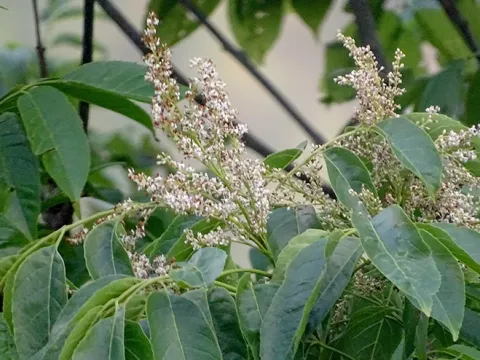
Himalayan manna ash
Fraxinus floribunda
The Himalayan manna ash (Fraxinus floribunda) is a notable member of the Oleaceae family. It is a deciduous tree valued for its significant ornamental qualities and its dense, broad canopy which provides excellent shade.
What the section contains
Himalayan manna ash
Originating from the mountainous regions of the Himalayas and parts of Southeast Asia, this species has adapted to diverse high-altitude forest ecosystems. It typically thrives in regions with stable moisture levels throughout the growing season.
Regarding soil requirements, the species performs best in deep, fertile, and well-draining loamy soils. It is sensitive to waterlogged conditions, which can lead to root system decay and poor development of the tree.
Climate needs are centered on temperate environments where the tree is protected from severe, desiccating winds. While it is hardy once established, young trees require a consistent moisture regime to develop a strong root system.
Cultivation practices involve regular monitoring of soil nutrition. Applying balanced slow-release fertilizers in early spring helps support rapid branch growth and maintains the deep green color of the foliage during the summer months.
The species is susceptible to various pests, most notably the emerald ash borer, which is a major concern globally for trees within the Fraxinus genus. Regular surveillance is necessary to detect early signs of infestation.
Fungal diseases such as ash dieback can cause significant damage to the canopy. Symptoms often start with the wilting of leaves and the death of twigs, eventually spreading to larger branches and the main trunk.
Leaf spot pathogens can negatively impact the aesthetic value of the tree, especially in humid regions. Maintaining good air circulation within the canopy through selective pruning is a key preventive measure.
Insects like scale insects or aphids may also colonize young trees, sucking nutrients from the phloem. These pests can be controlled through the application of systemic insecticides or biological control agents if caught early.
To ensure tree longevity, practitioners should avoid deep planting and ensure the root flare is visible at the soil surface. Minimizing stress through proper watering and mulching significantly boosts the tree's natural immunity.