
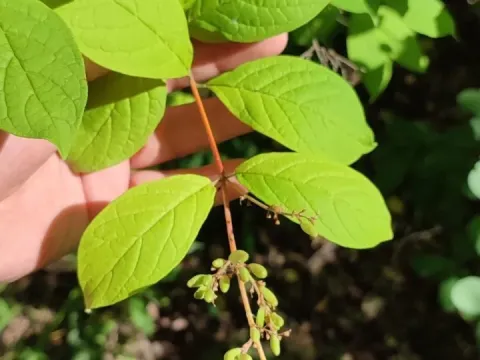
Henry Lilac
Syringa henryi
The Henry Lilac (Syringa henryi) is a robust hybrid species belonging to the Oleaceae family. Created from the cross between S. villosa and S. reflexa, this plant has gained recognition for its late-season blooms and exceptional hardiness in cooler climates.
What the section contains
Henry Lilac
This shrub thrives in full sun exposure, which is crucial for optimal flower production. Regarding soil, it prefers deep, fertile, and well-drained loams that maintain consistent moisture levels without becoming waterlogged, as poor drainage is the primary cause of root health issues.
Cultural requirements include regular maintenance such as mulching to preserve soil moisture and temperature stability. In terms of nutrition, applying a balanced fertilizer in the early spring before bud break helps support vigorous growth and the development of high-quality inflorescences.
Pruning should be performed immediately after the flowering period ends. This timing allows the shrub to develop new growth during the season, which will produce flower buds for the following year. Dead or damaged wood should be removed as soon as it is identified.
This species is widely used in landscape architecture as a specimen plant or in informal hedge designs. Its aesthetic value is enhanced by its resistance to common environmental stresses, making it a reliable choice for gardeners in temperate zones seeking low-maintenance flowering options.
The most common disease affecting Henry Lilac is powdery mildew, particularly in conditions with high humidity and poor airflow. Utilizing spacing in planting and ensuring good ventilation are the most effective preventative strategies against fungal outbreaks.
Insect pests such as scale insects and lilac leaf miners may cause cosmetic or structural damage if left unchecked. Integrated pest management, including regular monitoring and the use of insecticidal soaps or systemic treatments, is recommended to ensure the long-term vitality of the shrub.