
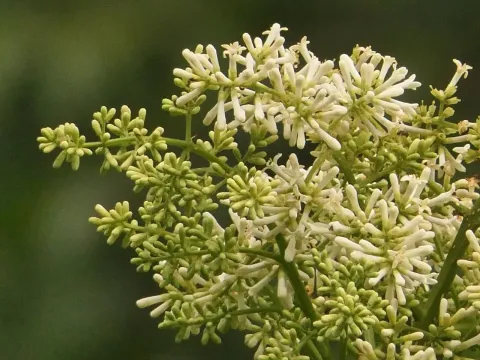
Himalayan lilac
Syringa emodi
Himalayan lilac (Syringa emodi) is a robust deciduous shrub belonging to the Oleaceae family. Originating from the Himalayan region, this species is highly valued for its late spring or early summer flowering period, characterized by long, pale pink to white panicles.
What the section contains
Himalayan lilac
The plant requires a site with full sun exposure to thrive and produce abundant blooms. It prefers deep, fertile, and well-drained loamy soils with a neutral pH, though it can tolerate a variety of soil types as long as they do not suffer from waterlogging.
Cultivation practices involve consistent soil moisture levels during the growing season, particularly for young specimens. While established plants show some drought tolerance, providing supplemental irrigation during dry spells significantly improves overall vigor and floral display.
Pruning is essential for maintaining the shape and health of the shrub. It is recommended to perform light pruning immediately after flowering, removing spent blooms and any dead or crossing branches to improve air circulation within the canopy.
Its primary use is in ornamental landscaping, where it serves as an excellent specimen plant, a focal point in borders, or an effective, dense screen. The shrub is hardy and adapts well to various temperate climates.
Himalayan lilac is susceptible to several common diseases, with powdery mildew being the most prevalent. This fungal infection typically occurs in humid environments with poor air movement, resulting in a white powdery appearance on foliage.
Pests such as lilac leaf miners, scale insects, and aphids can occasionally infest the shrub. These pests can damage leaf tissue and reduce the photosynthetic capacity of the plant if left untreated.
Management strategies include regular monitoring of the shrub's health and the application of appropriate fungicidal or insecticidal treatments when the first signs of infestation appear. Sanitation is crucial for preventing the spread of diseases.
Ensuring proper spacing during planting helps mitigate the risk of fungal issues by allowing for maximum natural ventilation. Maintaining soil health through proper fertilization contributes to the plant's natural resistance.
In cases of severe infestation, pruning and removing affected plant material are necessary to protect the overall structure of the lilac, followed by targeted remedial treatments during the dormant season.