
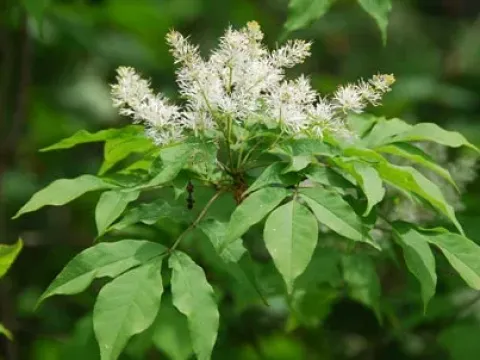
Long-cusped ash
Fraxinus longicuspis
The long-cusped ash (Fraxinus longicuspis) is a deciduous tree belonging to the Olive family (Oleaceae). It is primarily native to the temperate regions of East Asia, where it thrives in diverse forest conditions and mountainous landscapes.
What the section contains
Long-cusped ash
Cultivation requires deep, nutrient-rich soils with consistent moisture levels. The species performs best in well-drained loam, as the root system is sensitive to prolonged waterlogging which can lead to decline in vigor.
In terms of climate, the long-cusped ash prefers temperate zones with well-defined seasons. It exhibits good tolerance to cold, making it suitable for reforestation projects where hardy, native broadleaf species are required to maintain biodiversity.
Botanically, the species is characterized by its distinct pinnate foliage and a relatively straight trunk growth habit. Proper spacing in forest plantations is essential to ensure vertical development and to avoid branch congestion.
Economically, the timber of Fraxinus longicuspis is valued for its toughness and resilience, often used in woodworking and tool manufacturing. Beyond utility, it is highly valued as an ornamental tree in landscaping due to its elegant appearance.
The primary biotic threats to Fraxinus species include various fungal pathogens, most notably the dieback disease caused by *Hymenoscyphus fraxineus*. This fungus can cause significant mortality in forest stands if not managed properly.
Insect pests, particularly wood-boring beetles like the emerald ash borer, represent a severe global threat. Constant monitoring of tree health and quarantine of firewood movement are essential strategies to prevent major outbreaks.
Environmental stress, such as drought or soil compaction, significantly increases the tree's susceptibility to secondary pests. Maintaining site-specific water management is critical to sustaining tree vitality throughout the growing season.
Integrated pest management (IPM) is recommended to mitigate risks, focusing on biological control and the removal of infected material. Preventive sanitation cuts help reduce the inoculum load within the forest ecosystem.
Proper silvicultural practices, including selective thinning and site selection, are the cornerstones of protecting these ash populations. Ensuring genetic diversity among planted saplings also enhances the resilience of the stands against emerging threats.