
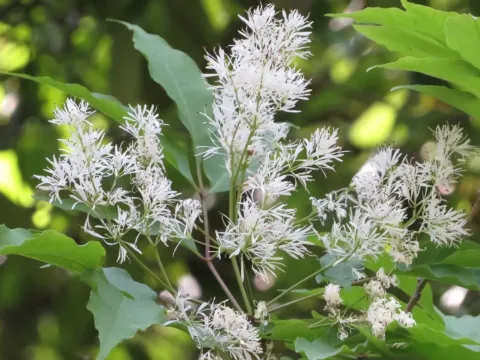
Siebold's ash
Fraxinus sieboldiana
Siebold's ash (Fraxinus sieboldiana) is a distinctive deciduous tree species belonging to the Olive family (Oleaceae). Native to the forests of Japan and Korea, this tree is highly valued for its elegant leaf structure and its ability to adapt to various temperate forest ecosystems.
What the section contains
Siebold's ash
Botanically, it typically reaches moderate height, forming a spreading canopy with pinnately compound leaves. In the spring, the tree produces small, delicate inflorescences, while its autumn coloration, ranging from bright yellow to deep red, makes it a popular choice for ornamental use.
Cultivation requires fertile, well-draining soils that remain consistently moist but not waterlogged. While it is somewhat tolerant of different soil textures, loamy soil with a slightly acidic to neutral pH is considered ideal for achieving the best annual growth rates.
The tree thrives in full sun but benefits from light shade in regions with extremely hot summers to prevent leaf scorch. Ensuring proper site selection is essential, as the tree needs enough space for its root system to expand without competition from fast-growing aggressive weeds.
Agricultural management includes a routine watering schedule, particularly during the first two to three years of establishment. Mulching the root zone helps retain moisture and regulate soil temperature, creating a stable environment that mimics the tree's natural forest-floor conditions.
The most significant threat to Fraxinus species worldwide, including Siebold's ash, is the emerald ash borer (Agrilus planipennis). This beetle targets the vascular system of the tree, necessitating strict monitoring and integrated pest management strategies to protect valuable specimens.
Fungal diseases like ash dieback and various leaf spots can occur, especially in humid and poorly ventilated locations. Maintaining tree vigor through proper nutrient supply and conducting annual sanitary pruning to remove deadwood are key practices for minimizing disease susceptibility.