
Sogdian ash
Fraxinus sogdiana
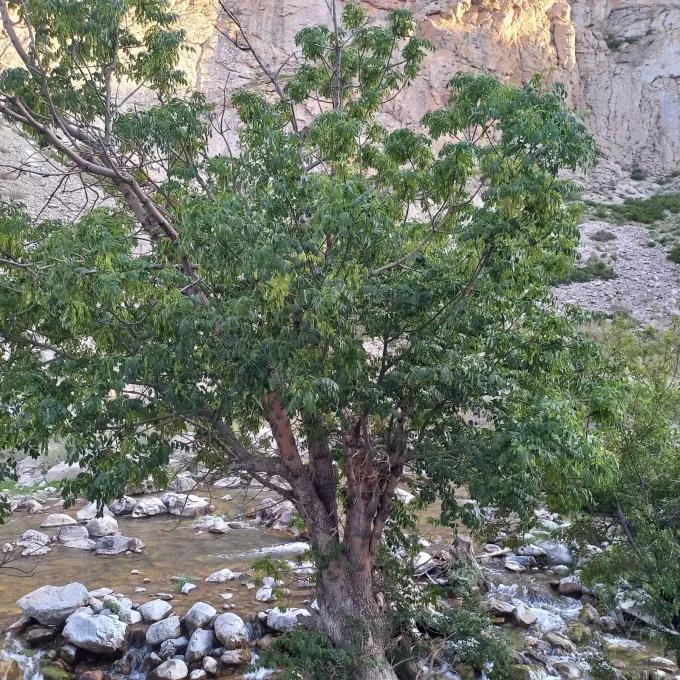
Description
Growing requirements
The Sogdian ash (Fraxinus sogdiana) is a deciduous tree species belonging to the Oleaceae family, naturally occurring in Central Asia, where it is typically found in riparian zones and river valleys.
This species is well-adapted to specific hydrological conditions, often thriving in areas with high water tables, which ensures a consistent supply of moisture during the intense heat of the summer season.
Cultivation requires fertile soils that are well-aerated but capable of retaining moisture, as the tree exhibits moderate to high water demands compared to other species within the genus Fraxinus.
Regarding climate, the Sogdian ash performs best in continental settings with clear seasonal distinctions, showing good tolerance to heat but requiring careful site selection to avoid frost pockets during early development.
Agronomic practices for this tree involve regular soil management, including mulching to preserve moisture, and controlled fertilization to support rapid growth during the critical stages of establishment.
Main diseases and pests
A primary concern for the health of Fraxinus sogdiana is the invasion of wood-boring insects, most notably the emerald ash borer, which poses a severe threat to the structural integrity and survival of the trees.
Fungal diseases, particularly those affecting the bark and vascular system, can lead to dieback and necrosis, often exacerbated by environmental stress or poor soil conditions in the planting area.
Pest management programs should include seasonal monitoring of leaf-feeding insects and beetles, which can cause significant damage to the canopy and reduce the overall vigor of the plantation.
To mitigate the risk of disease spread, it is essential to employ sanitary pruning techniques and to remove any dead or infected wood immediately to maintain the overall biosecurity of the forest stand.
Integrated pest management, combining physical traps, biological controls, and judicious use of insecticides, remains the most effective strategy for preserving the long-term viability of Sogdian ash populations.