
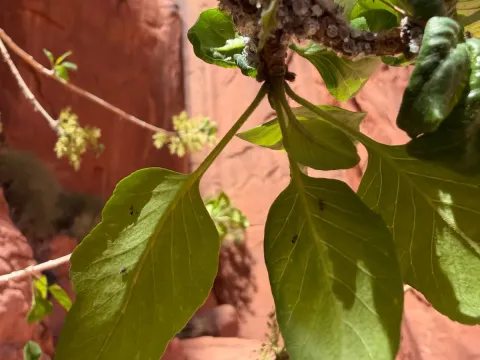
Single-leaf ash
Fraxinus anomala
The propagation of the Single-leaf ash is primarily achieved through seeds, which necessitate a cold stratification period lasting between three and six months to break dormancy.
What the section contains
Single-leaf ash
Seeds are typically sown in the autumn season, allowing them to experience natural winter cooling, which is crucial for uniform germination once temperatures rise in the spring.
When sowing, a depth of 2 to 3 centimeters is recommended, ensuring the soil medium is loose and sandy to facilitate the easy emergence of young, tender seedlings.
The initial growth phase of the species is relatively slow, making it essential to protect young sprouts from intense afternoon heat and prolonged drought periods during the first year.
Transplanting seedlings to a permanent site should be carried out carefully to avoid damaging the taproot system, which is a characteristic feature of this hardy desert plant.
The Single-leaf ash, belonging to the Oleaceae family, is a distinct botanical species noted for its simple leaves, setting it apart from other compound-leaved ash species.
Its natural habitat is restricted to the arid and semi-arid regions of the Southwestern United States, including parts of Utah, Arizona, and the surrounding desert ecosystems.
It is an ideal candidate for xeriscaping, as it thrives in dry, rocky, and well-drained soils where most other ornamental tree species would struggle to survive.
The tree requires full sun exposure to maintain its structural integrity and health, as excessive shading often results in a thin, weak canopy and slow overall development.
It displays remarkable climatic resilience, adapting well to significant temperature fluctuations between hot, arid days and cool, clear desert nights throughout the growing season.
The most significant threats to the health of the Single-leaf ash are root-related issues stemming from poor drainage or excessive soil moisture, which the plant is not evolved to tolerate.
Potential insect pests include various species of aphids and leaf-chewing larvae that may occasionally infest young shoots during periods of unusually high humidity.
Fungal infections, such as powdery mildew, can emerge if the trees are planted in sites with poor air circulation, reducing the aesthetic value of the unique foliage.
Environmental stress from air pollution in urban areas can weaken the tree, making it more susceptible to opportunistic secondary infections that damage the vascular system.
Effective management strategies involve monitoring for signs of infestation and ensuring that the tree is placed in a location where the soil dries out completely between waterings.