
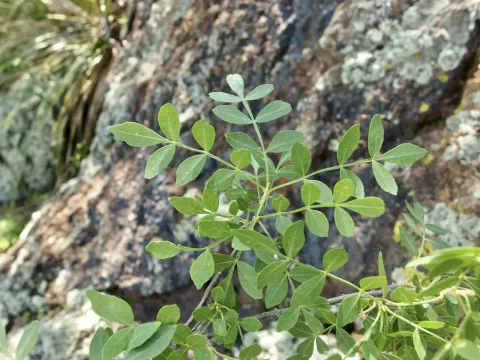
Goodding's ash
Fraxinus gooddingii
Goodding's ash (Fraxinus gooddingii) is a member of the Oleaceae family, primarily native to the arid canyon and riparian environments of the southwestern United States and Mexico.
What the section contains
Goodding's ash
The species is botanically adapted to harsh conditions, showcasing resilience in regions characterized by high temperatures and fluctuating water availability throughout the year.
In terms of soil requirements, this ash species favors deep, well-drained soils that allow for rapid drainage, preventing the root stress associated with waterlogged environments.
Optimal growth is achieved in sunny locations, as the tree exhibits strong photophilic tendencies and thrives when exposed to direct, unfiltered sunlight for most of the day.
Agrotechnical management primarily involves initial irrigation during the establishment phase, transitioning to minimal maintenance once the root system has reached maturity.
The most significant threat to the health of Goodding's ash is the emerald ash borer, an invasive beetle capable of causing widespread mortality across Fraxinus populations.
Fungal pathogens such as anthracnose are commonly observed in high-humidity microclimates, leading to necrotic lesions on foliage and potential defoliation if left unmanaged.
Boring insects represent a major concern, necessitating regular bark inspections to identify early symptoms of infestation before the vascular system is compromised.
Environmental stress caused by severe drought or poor site selection can weaken the tree, making it significantly more susceptible to secondary pests and diseases.
Sustainable pest control requires a preventative approach, emphasizing biodiversity in surrounding vegetation to support natural predators of typical ash pests.