
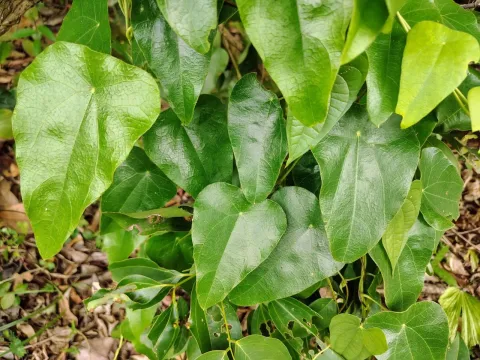
Cyclea
Cyclea
Cyclea is a perennial vine, and its cultivation typically relies on vegetative propagation or starting seeds in controlled greenhouse conditions. Successful germination requires high, stable temperatures typical of its native tropical habitat.
What the section contains


Cyclea
Sowing in open fields is generally impractical; therefore, nursery propagation is preferred. Seeds should be sown in a lightweight, well-draining soil mix rich in organic matter to encourage initial root development.
The depth of sowing is crucial, as seeds should be covered with only a thin layer of substrate. Maintaining high humidity and consistent moisture levels during the first few weeks is essential for the fragile sprouts to thrive.
Once seedlings achieve a certain height, they can be transplanted to larger containers or permanent growing spots. It is vital to provide them with support structures from the earliest stages of their growth.
Vegetative propagation via cuttings is a common and efficient method for commercial production. Cuttings should be taken during the active growth season and placed in a high-humidity environment until roots are established.
Belonging to the Menispermaceae family, Cyclea thrives in humid tropical forest conditions. It requires a stable, warm environment where temperatures stay above 15 degrees Celsius throughout the growing year.
The plant demands fertile, humus-rich soil that is slightly acidic or neutral. Excellent drainage is non-negotiable, as waterlogged conditions quickly lead to root rot and systemic plant failure, especially in tropical climates.
Adequate support systems, such as trellises or stakes, are required to accommodate its vining nature. Proper vertical management improves airflow around the foliage, which is a major factor in preventing fungal outbreaks.
Sunlight requirements are best met with bright, filtered light. Exposure to intense, direct midday sun can result in leaf scorching and dehydration, which stresses the plant and inhibits alkaloid production.
Regular irrigation is necessary to keep the soil consistently moist but never saturated. During the growing season, moderate organic fertilization promotes vigorous foliage development and helps maintain overall plant health.
The yield of Cyclea is primarily measured by the biomass of dried roots and stems collected for pharmaceutical purposes. The peak harvest potential is generally reached when the plants are at least three to four years old.
Commercial cultivation efficiency is dependent on maintaining optimal environmental conditions and density. Proper spacing ensures that every plant receives enough resources, leading to higher concentrations of medicinal alkaloids.
Laboratory testing of plant tissues prior to harvest is recommended to ensure the concentrations of target compounds are within desired specifications. This ensures the final product meets the necessary industrial standards.
Selective harvesting of parts of the root system can allow for sustained production without killing the entire plant. This method requires professional expertise to manage the balance between annual yield and plant longevity.
Standardized post-harvest processing is essential to guarantee a stable yield of high-quality material. Every step, from drying to packaging, is geared toward preserving the integrity of the active chemical compounds.
Cyclea is susceptible to various fungal pathogens, especially in areas with poor airflow and high humidity. Powdery mildew and leaf spot diseases are among the most common threats to the foliage and stems.
Sucking insects, such as aphids and spider mites, are frequent pests that weaken the plant by feeding on its sap. Infestations lead to stunted growth, reduced photosynthesis, and potential vectoring of viral diseases.
Root-knot nematodes are particularly dangerous as they inhabit the soil and damage the root system directly. Since roots are the primary product, nematode management is a priority for any successful cultivation operation.
Integrated pest management strategies are highly encouraged to avoid heavy chemical use. Biological controls, such as beneficial insects and organic sprays, are preferred to maintain the plant's medicinal quality.
Regular monitoring and physical removal of affected plant parts are effective ways to prevent minor outbreaks from becoming major threats. Maintaining cleanliness in the growing area is a key preventative measure.
Harvesting usually takes place at the end of the growth cycle when the concentration of medicinal compounds is at its highest. It is best conducted during dry weather to facilitate immediate primary processing.
The collection process involves carefully extracting root material and pruning the aerial vines. Special care must be taken to minimize soil contamination and mechanical injury, which could lead to quality loss.
Once harvested, the material is cleaned and sorted to remove any unwanted debris. This step is vital to ensure that only the highest quality plant matter moves forward to the drying stage.
Drying must be performed in well-ventilated, shaded areas or industrial driers set to precise temperatures. Rapid or high-heat drying can degrade the complex organic compounds that give the plant its commercial value.
Final storage requires cool, dark, and dry conditions to prevent moisture absorption and mold growth. Proper packaging is essential for protecting the integrity of the dried product during transport to processing facilities.